How to Use Fertigation Fertilizer for Maximum Crop Yield?
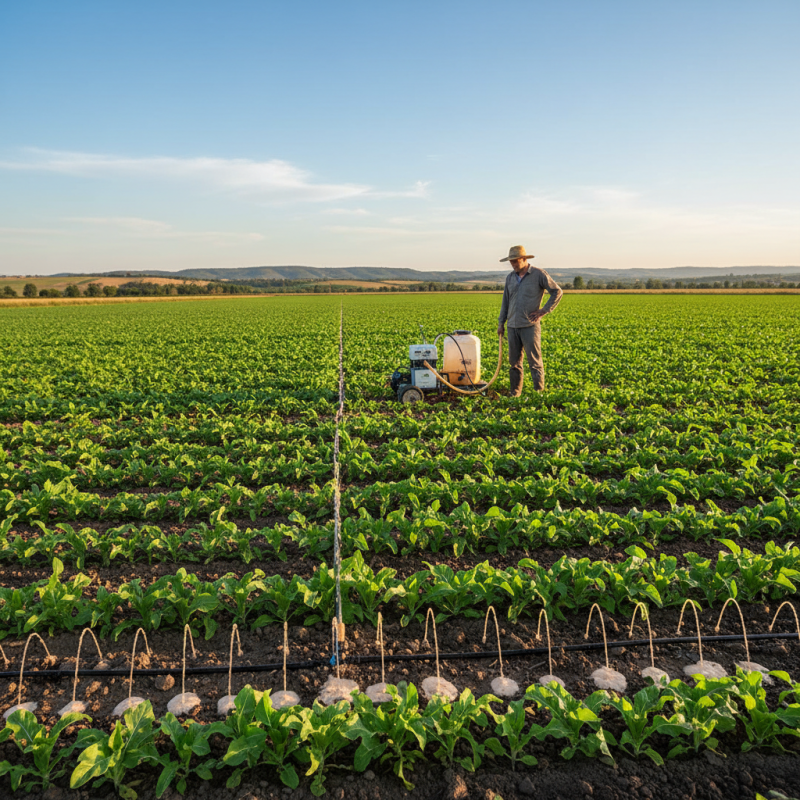
Fertigation Fertilizer is an innovative approach that merges irrigation and fertilization. This technique ensures crops receive water and nutrients simultaneously, optimizing growth. Utilizing this method can significantly enhance crop yield if done correctly.
Farmers often face challenges when implementing Fertigation Fertilizer. They must understand the right nutrient ratios and application timing. Improper use can lead to nutrient runoff and environmental damage. Therefore, education and precision in application are vital.
The potential of Fertigation Fertilizer is immense, but it requires diligence. Regular monitoring of soil and plant health is essential. Achieving the best results demands a careful balance of resources. With the right practices, farmers can unlock the full power of Fertigation for their crops.
Types of Fertigation Fertilizers and Their Benefits
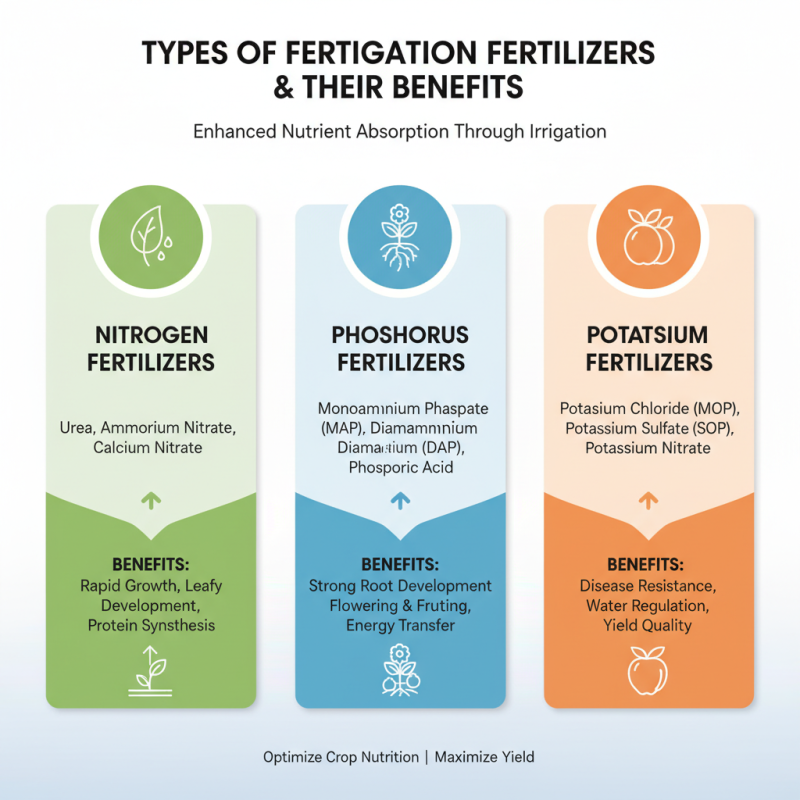
Fertigation involves applying fertilizers through irrigation systems, enhancing nutrient absorption. Various types of fertigation fertilizers cater to different crop needs, each with unique benefits.
Nitrogen-based fertilizers are common in fertigation. They boost growth and improve yield. However, excessive nitrogen can lead to leaching and environmental issues. Phosphorus fertilizers promote root development and flowering, essential for fruiting crops. Yet, over-application can cause soil imbalances. Potassium fertilizers enhance disease resistance and improve crop quality. Still, knowledge of soil health is crucial to avoid deficiencies.
Organic fertigation options exist, offering benefits like improved soil structure. These fertilizers release nutrients slowly, reducing the risk of leaching. However, they often need more frequent applications. Monitoring crop response is vital. Striking a balance between nutrient supply and soil health can be challenging. Each crop may respond differently, requiring careful observation and adjustment.
Understanding Nutrient Requirements for Different Crops
Understanding the nutrient requirements for different crops is essential in maximizing yields through fertigation. Each type of crop has unique needs. For instance, leafy greens often require higher nitrogen levels, while root vegetables benefit more from phosphorus and potassium. Tailoring your fertigation approach based on these needs can lead to healthier plants and increased productivity.
Soil testing plays a crucial role. It helps determine existing nutrient levels. This information assists in balancing additional inputs. Over-fertilization can harm crops, leading to diminished returns and environmental impact. Monitoring plant health is also vital. Yellowing leaves may indicate nitrogen deficiency, while stunted growth could signal phosphorus issues. Adjusting fertigation schedules based on these visual cues can enhance crop performance.
Understanding the specific nutrient uptake rates during various growth stages helps in planning fertigation applications. Early stages often require different nutrients compared to flowering stages. Being adaptable in your approach is key to successful crop management. Reflecting on past yields can provide insights. Tracking successes and failures can lead to continuous improvement in your fertigation strategy.
Fertigation Nutrient Requirements for Maximum Crop Yield
Optimal Scheduling for Fertigation Application
Optimal scheduling for fertigation application is crucial for maximizing crop yield. Proper timing can significantly influence nutrient absorption. It’s essential to align fertigation with the plant’s growth stages. For fast-growing plants, frequent applications may be necessary. However, slow growers might benefit from less frequent, higher doses.
Consider the weather when planning your schedule. Rainy days can wash away nutrients. Applying fertigation just before a rainfall is often unproductive. Monitor soil moisture levels to avoid over-fertilization. This ensures the nutrients reach the root zone effectively.
**Tips:** Be flexible with your schedule. Adjust based on plant responses and environmental factors. Regularly test soil to understand nutrient needs. Always have a backup plan for unexpected weather changes, as conditions can shift rapidly. Keep records of your applications to refine your approach over time.
How to Use Fertigation Fertilizer for Maximum Crop Yield? - Optimal Scheduling for Fertigation Application
| Crop Type |
Recommended Fertilizer |
Application Rate (L/ha) |
Optimal Timing |
Frequency of Application |
| Corn |
NPK 20-20-20 |
200 |
At planting and V6 stage |
Every 2 weeks |
| Tomato |
NPK 15-30-15 |
150 |
Early bloom stage |
Weekly |
| Lettuce |
NPK 10-20-20 |
100 |
During early stages |
Every 3 weeks |
| Wheat |
NPK 25-10-10 |
180 |
At tillering stage |
Once every month |
| Soybean |
NPK 5-10-5 |
120 |
During pod formation |
Every 2 weeks |
Techniques for Effective Delivery of Fertigation Solutions
Fertigation is a powerful method for enhancing crop yield, but using it effectively requires precision. Understanding how to deliver nutrient solutions is vital. One technique involves using micro-irrigation systems. These systems allow for even distribution of nutrients directly to the plant roots. This method minimizes waste and ensures plants receive essential elements.
Another technique is scheduling fertigation around crop growth stages. By applying nutrients during critical growth periods, you can significantly boost plant health. However, timing is crucial. Too much or too little can lead to imbalanced growth. Monitor your plants’ responses closely. Adjust your schedule based on their performance.
**Tips:**
- Regularly check soil moisture. Moisture levels affect nutrient uptake.
- Use a balanced nutrient solution. This helps prevent deficiencies or toxicities in plants.
- Experiment with different application rates. Keep notes on results for future reference.
Fertigation requires attention and adjustment. There’s no one-size-fits-all solution. Reflect on what works best for your crops and be willing to adapt your strategies.
Monitoring and Adjusting Fertigation Systems for Crop Health
Monitoring fertigation systems effectively is crucial for crop health. Regular assessment of nutrient levels allows farmers to make data-driven adjustments. Soil tests can indicate which nutrients are lacking. Monitoring plant health visually is also helpful. Yellowing leaves or stunted growth may signal deficiencies. Adjusting nutrient concentrations based on these observations improves crop yield.
Another aspect to consider is
water quality. Contaminated water can adversely affect plants, leading to low yields. It is essential to regularly test water for
pH levels and salinity. High salinity can harm plants significantly. Implementing strategies for efficient water management is necessary.
Keeping detailed records of adjustments aids in evaluating the effectiveness of your methods. Reflecting on past outcomes can lead to
better decisions. Seeking feedback from agricultural professionals enhances knowledge.
Continuous learning is vital in optimizing fertigation for maximum yield. Adjusting systems often requires patience and careful observation.