Top 10 Water Soluble Fertilizers from China for Global Buyers?
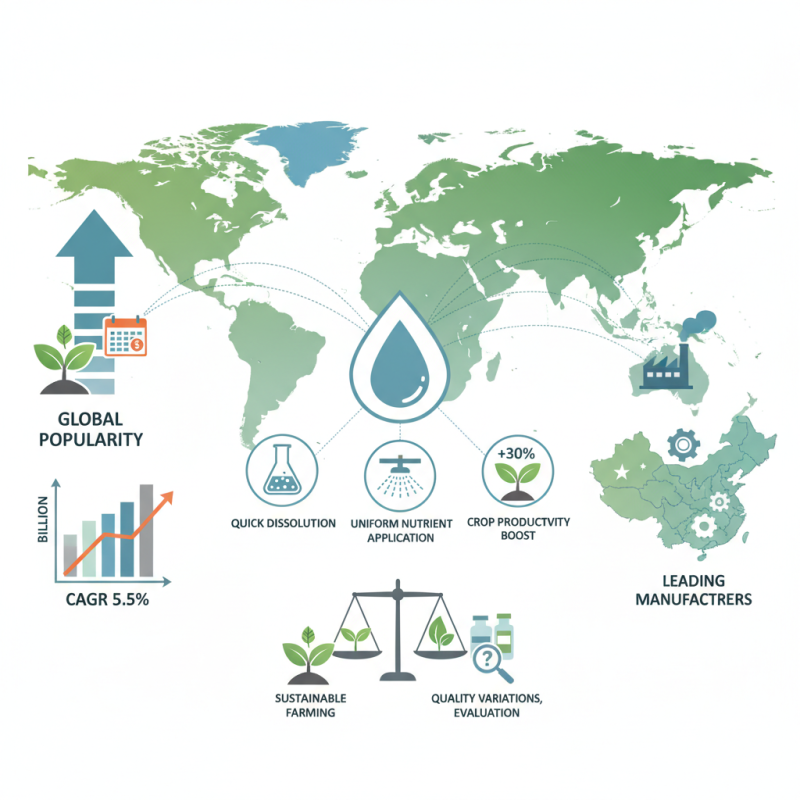
Water Soluble Fertiliser (WSF) is gaining immense popularity globally. The increasing demand for higher crop yields drives this trend. According to a market research report by Mordor Intelligence, the global WSF market is expected to reach $14.9 billion by 2025, growing at a CAGR of 5.5%. Chinese manufacturers are at the forefront, supplying advanced products that cater to various agricultural needs.
The unique properties of water-soluble fertilisers make them essential for modern farming techniques. They dissolve quickly and ensure uniform nutrient application, which is vital for plant health. Studies suggest that using WSF can enhance crop productivity by up to 30%. However, challenges remain. Quality variations among suppliers can lead to inconsistent results. Buyers must carefully evaluate their options and consider factors like nutrient composition and solubility rates.
As the demand for sustainable farming practices rises, water-soluble fertilisers can play a key role. Proper use promotes efficient nutrient absorption and reduces environmental impact. Understanding regional needs and market trends is crucial for global buyers looking to navigate this complex industry effectively.
Overview of Water Soluble Fertilizers in China
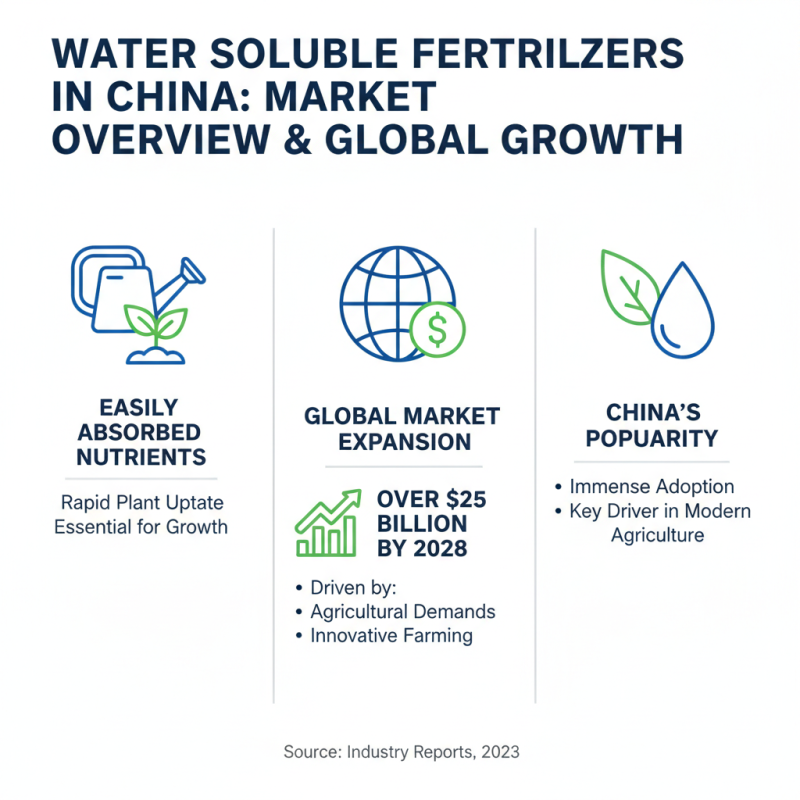
Water soluble fertilizers (WSFs) have gained immense popularity in China and beyond. They provide essential nutrients in a form that plants can easily absorb. According to industry reports, the global market for WSFs is projected to grow significantly. By 2028, it is expected to reach over $25 billion, driven by increasing agricultural demands and innovative farming practices.
China is a leading producer of WSFs. The country accounts for a substantial portion of the world's supply. Reports suggest that the production volume surpassed 8 million tons in 2022. However, the industry faces challenges, including quality control and environmental regulations. It's essential for manufacturers to meet international standards, as exporters must prioritize quality to succeed in global markets.
The growing demand for organic and eco-friendly fertilizers places pressure on Chinese manufacturers to innovate. Aiming for sustainability can lead to better practices but may initially increase costs. As companies adapt, they must balance quality, price, and environmental impact. Engaging with local farmers and understanding their needs is crucial. This feedback loop can help create products that truly benefit the end user while complying with regulations.
Key Features and Benefits of Water Soluble Fertilizers
Water soluble fertilizers have gained popularity in agriculture due to their unique properties. These fertilizers dissolve quickly in water, making nutrients immediately available to plants. This rapid absorption boosts crop growth and yields. Furthermore, the ease of application is beneficial for farmers. They can mix these fertilizers with irrigation systems, saving time and labor.
A key feature is their versatility. Different crops have varied nutrient needs. Water soluble fertilizers can be tailored to meet these specific requirements. Farmers can select formulations rich in nitrogen, phosphorus, or potassium, depending on the crop stage. This targeted approach enhances nutrient efficiency and minimizes wastage. However, over-reliance on any single type can lead to imbalances in soil health.
Not all products are created equal. Quality can vary widely in the market. It’s important to identify reliable suppliers. Testing the product before large-scale use helps ensure effectiveness. Additionally, understanding soil conditions and crop demands is crucial. This knowledge can make a significant difference in choosing the right fertilizer. Farmers should continuously reflect on their practices for better outcomes.
Top Chinese Manufacturers of Water Soluble Fertilizers
China stands out as a key player in the global water-soluble fertilizer market. According to industry reports, the country produced approximately 8.5 million tons of water-soluble fertilizers in 2022. This represented a significant growth rate of about 6% from the previous year. Such metrics highlight the rising demand for efficient fertilizers amidst changing agricultural practices worldwide.
Chinese manufacturers have leveraged innovative technologies to produce high-quality water-soluble fertilizers. They focus on developing formulations that enhance nutrient uptake by plants. Data indicates that these fertilizers can improve crop yields by as much as 20% compared to traditional fertilizers. However, the market still faces challenges such as variations in product quality and inconsistent regulatory standards.
Several manufacturers in China are investing in sustainable practices. They aim to balance high yields with environmental concerns. This shift is essential since the global demand for fertilizers is projected to increase by 3% annually until 2030. Nevertheless, the industry's reliance on specific chemical inputs raises questions about long-term sustainability. Addressing these challenges will be crucial as the market continues to evolve.
Top 10 Water Soluble Fertilizers from China for Global Buyers
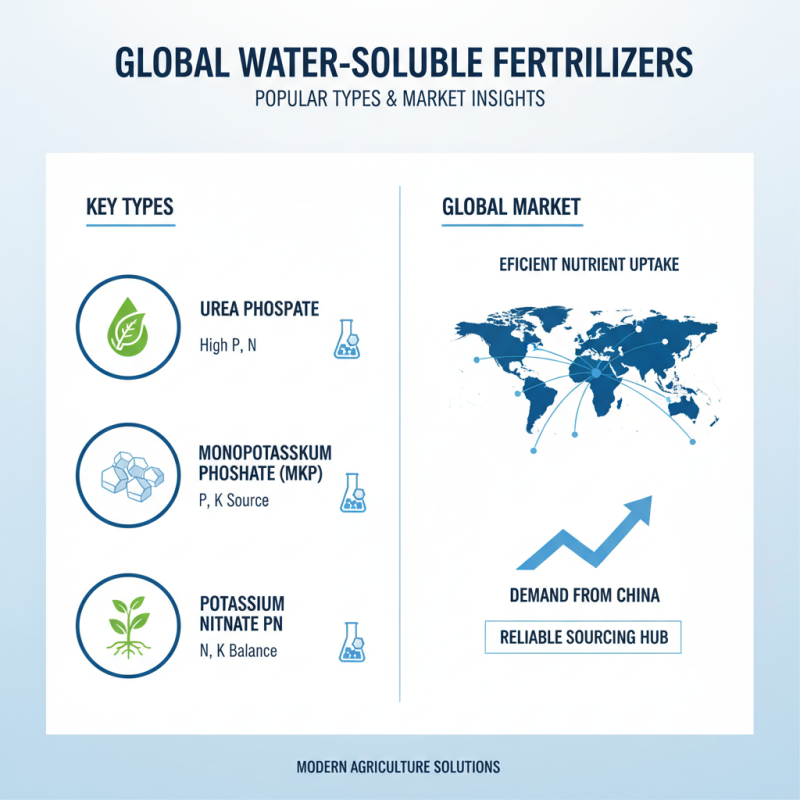
Popular Types of Water Soluble Fertilizers for Global Markets
Water soluble fertilizers play a crucial role in modern agriculture. These fertilizers dissolve easily in water, allowing for efficient nutrient uptake by plants. Global buyers often seek reliable sources from China, known for its diverse fertilizer production.
Among the popular types of water soluble fertilizers, NPK blends are highly sought after. They contain essential nutrients: nitrogen, phosphorus, and potassium. Many farmers appreciate the balanced nutrient supply that these blends offer. Another notable type is calcium nitrate. It provides both calcium and nitrogen, vital for strong plant structures and growth.
Micronutrient fertilizers are gaining traction too. These products address deficiencies in elements like iron, zinc, and manganese. Farmers sometimes struggle with applying the right amounts. Miscalculations can lead to inadequate or excessive nutrient levels. Awareness of local soil conditions is often overlooked, but it is essential for effective application. As buyers navigate the variety of options, understanding their specific needs is key to successful crop production.
Considerations for Selecting Water Soluble Fertilizers from China
When selecting water soluble fertilizers from China, several factors must be considered. Quality is paramount. Buyers should request detailed product specifications. This includes the nutrient composition, solubility rate, and origin of raw materials. Understanding these elements helps determine if the fertilizer fits specific crop needs.
Another important aspect is the supplier's reliability. Verify the supplier's certifications and production processes. Researching their history can reveal their market position. Reviews from other buyers can also offer insights into performance and service quality. Engaging in direct communication with manufacturers can clarify uncertainties.
Pricing is crucial but shouldn’t be the only factor. A low price might signal lower quality. Assess the total performance, including delivery times and after-sales service. Comparing multiple suppliers is advisable. This ensures the best decision based on both cost and quality. Keeping these considerations in mind can lead to more successful agricultural outcomes.