Calcium Nitrate Granules play a crucial role in enhancing plant growth. This compound is rich in both calcium and nitrogen. These two elements are essential for robust plant development. Calcium strengthens cell walls and improves overall structure. Nitrogen is vital for leaf and stem growth.
Using Calcium Nitrate Granules effectively requires understanding their application. The right timing, dosage, and method can significantly impact results. For example, applying them during the growth phase can boost nutrient absorption. However, overuse can lead to deficiencies in other important nutrients.
Recognizing the need for balance is essential. Soil testing can guide the appropriate use of Calcium Nitrate Granules. Observing plant responses helps adjust the strategy. Every garden is unique, and so are its requirements. Strive for optimal growth while being mindful of potential over-fertilization.
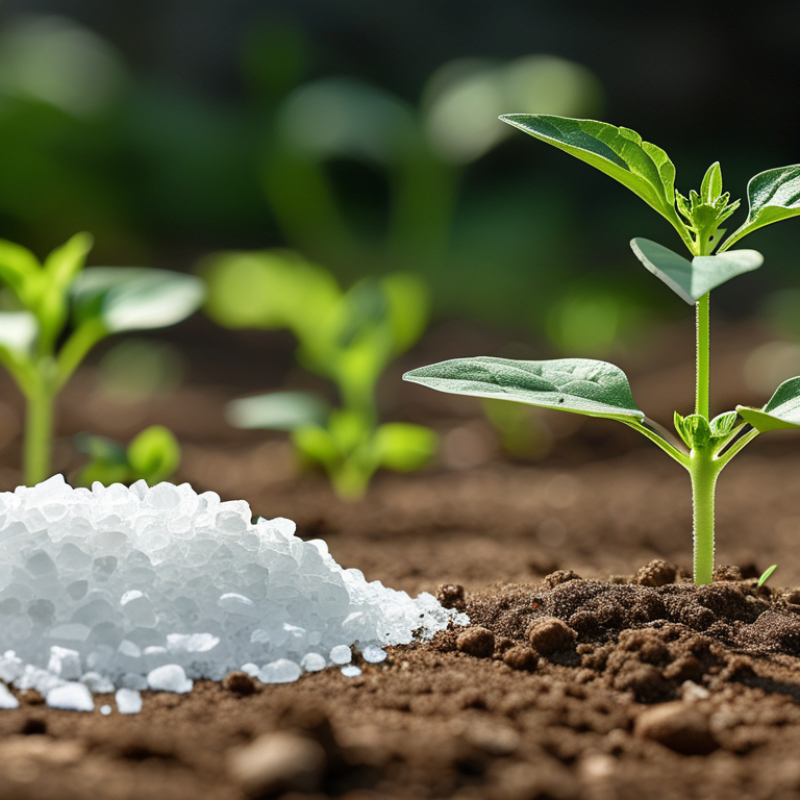
Calcium nitrate is a compound composed of calcium, nitrogen, and oxygen. It plays a significant role in plant growth. This nitrate form of calcium is crucial for nutrient uptake. It promotes strong root development and enhances overall plant health.
Many gardeners know that calcium strengthens cell walls. It supports structural integrity, making plants more resilient. Nitrogen fosters lush growth and vibrant green foliage. This combination is essential, especially for vegetables and fruits. However, the balance is critical. Over-application can lead to nutrient imbalances, causing stress in plants.
When using calcium nitrate granules, timing is key. Apply during specific growth stages for optimal results. However, the granules must be dissolved properly in water. Some gardeners struggle with this step. Observing the reaction of plants can offer valuable feedback. What works for one species may not work for another. Tailoring the application is necessary for the best outcomes.

For optimal plant growth, it's essential to apply calcium nitrate granules correctly based on the specific needs of different crops. Each plant has unique nutrient requirements. For leafy greens, a rate of about 150-250 kg per hectare can promote vigorous growth. Root vegetables thrive with slightly lower doses, around 100-150 kg per hectare.
Fruiting crops, such as tomatoes, benefit from higher application rates of 200-300 kg per hectare. These levels support fruit development and enhance yields. It's crucial to measure soil nutrient levels beforehand. Testing can prevent over-application, which may lead to nutrient imbalances.
Tips: Always consider the crop's growth stage when applying. Young plants require less calcium nitrate than established ones. Monitor how plants respond after fertilization. Adjust rates accordingly; sometimes plants show signs of nutrient deficiency even with recommended levels. Remember, not all soils retain nutrients the same way. Keep detailed records of applications and plant performance for future reference.
Calcium nitrate granules are essential for enhancing plant growth. To incorporate these granules into the soil effectively, start by conducting a soil test. This will reveal the current nutrient levels in your soil, helping you determine the correct amount of calcium nitrate needed. Aim for a balanced approach, as too much can harm plants.
When applying calcium nitrate, consider your soil type and the specific plants you are growing. Broadcast the granules evenly over the soil and lightly till them in. This allows for better nutrient absorption by the roots. Water the area gently afterward, ensuring the granules dissolve effectively.
Tips for incorporation include applying calcium nitrate during the growing season when plants actively take up nutrients. Avoid applying it before heavy rain, as this can cause nutrient runoff. Monitor your plants; if they show signs of nutrient deficiency, reconsider your application rate. Balancing the use of calcium nitrate can lead to healthier plants and a more fruitful harvest.
Calcium nitrate granules are essential for optimal plant growth, particularly when timing is considered. Proper application takes into account the plant’s growth stages. Early in the growing cycle, young plants benefit greatly from a nitrogen boost. This helps establish strong roots and a sturdy structure.
Applying calcium nitrate during flowering is also crucial. At this stage, plants require calcium to strengthen their cell walls. Weak walls can lead to susceptibility to diseases or pests. Timing your application accurately can ensure your plants remain healthy.
Tips to optimize nutrient uptake:
1. Monitor soil moisture levels. Too much water can leach away nutrients.
2. Mix calcium nitrate with water for even distribution. Dissolving the granules creates a more accessible form for your plants.
3. Avoid late applications. Nutrient uptake decreases as plants enter dormancy.
| Application Timing | Recommended Dose (kg/ha) | Plant Type | Growth Stage | Expected Benefits |
|---|---|---|---|---|
| Early Spring | 150 | Tomatoes | Transplanting | Improved root development |
| Mid-Season | 100 | Cucumbers | Flowering | Enhanced fruit set |
| Late Summer | 120 | Lettuce | Pre-Harvest | Improved leaf quality |
| Fall | 80 | Spinach | Establishment | Increased cold tolerance |
Calcium nitrate is vital for plant health. It helps prevent nutrient imbalances. Regular application can enhance growth and yield. However, monitoring is key. Soil and plant health influence overall effectiveness.
Start by testing soil pH. A balanced pH ensures that plants absorb calcium and nitrogen effectively. If levels are off, plants may still exhibit deficiency symptoms. Leaf discoloration or stunted growth may arise. Pay attention to these signs. They indicate a need for adjustment.
Incorporating calcium nitrate into soil can help. But, too much can disrupt nutrient harmony. Remember, less is sometimes more. Over-application can lead to nutrient lockout. So, always follow recommended guidelines and observe your plants closely. Adjust as needed. This process may require patience and observation. Cultivating successful growth is an ongoing journey.
This bar chart illustrates the growth of plants over five weeks with the application of calcium nitrate granules. The data indicates a steady increase in plant height, showcasing the positive effect of calcium nitrate on plant growth.