Leave Your Message
Buying ammonium nitrate requires more than finding a supplier and comparing prices. It requires documented need, legal eligibility, and careful risk assessment. This is especially important when discussions mention Ammonium Nitrate Fuel Oil, a hazardous industrial subject that should never be treated casually or as a home-use product.
A safe buyer begins with local authorities, licensed distributors, and written compliance requirements. Regulations may control quantity, storage, transport, end use, and customer verification. Requirements vary by country and sometimes by region. Check every detail.
Peter Amyotte, a respected process-safety expert, emphasizes in his published work that dust-explosion hazards must be identified and controlled before operations begin. That principle applies here. Ask for current safety data sheets, supplier credentials, secure delivery procedures, and emergency contacts. Keep records. Use trained personnel.
Small oversights matter.
A legitimate supplier should not encourage secrecy, unusual payment methods, vague end-use descriptions, or informal collection arrangements. Those warning signs deserve a pause and independent verification. Buyers should also confirm that storage facilities are approved, separated from incompatible materials, protected from heat and contamination, and subject to routine inspection.
The process can feel slower than expected. That is a weakness worth admitting. Legal purchasing is not merely paperwork; it is evidence that safety controls exist before a hazardous material changes hands. This guide focuses on responsible procurement, regulatory compliance, and prevention. It does not provide instructions for mixing, processing, or using Ammonium Nitrate Fuel Oil.
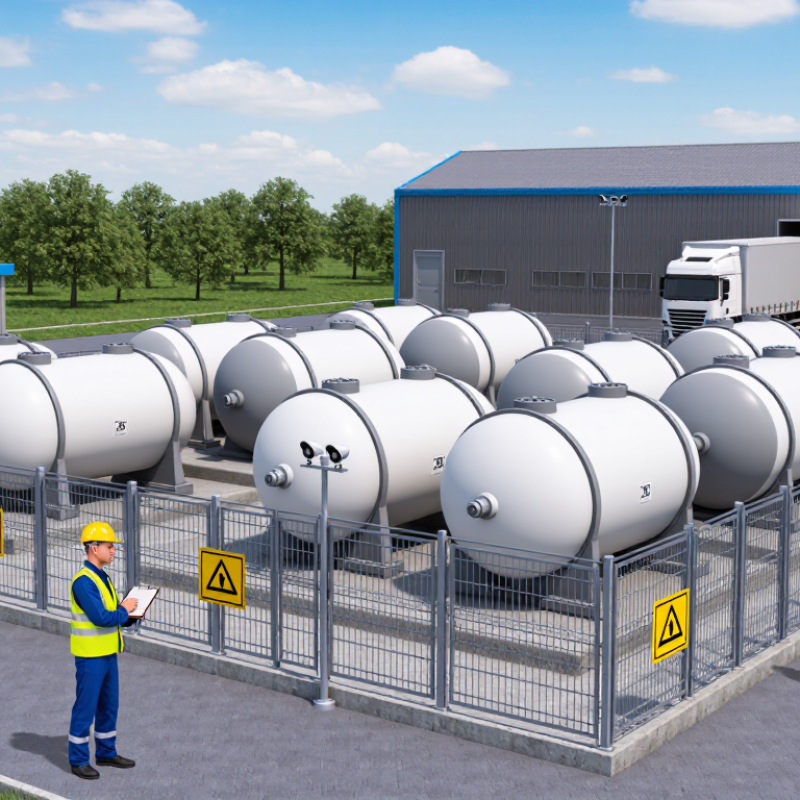
Buying ammonium nitrate safely begins with confirming whether you are legally eligible to purchase it. Requirements vary by country, state, and intended use. Agricultural, industrial, and educational users may face different rules. Some jurisdictions require registration, identity checks, permits, or proof of professional activity. A legitimate seller should explain these requirements clearly.
Tips: Check the official regulator’s website before contacting a supplier. Prepare business registration, identification, and a clear use statement. Ask for the current safety data sheet. Never rely on social media listings or informal resellers. If a rule seems unclear, pause and request written guidance from the relevant authority.
Authorized buyers should also understand transport and storage duties. These may include approved containers, restricted access, inventory records, and trained handlers. Keep the product away from contamination, heat sources, and incompatible materials. Follow the supplier’s safety documentation exactly. Do not transfer it to another person without confirming that transfer is lawful. Record purchase dates, quantities, and intended use where regulations require it. Requirements can change, and online advice may be outdated. I would treat missing paperwork as a warning, not a minor inconvenience. A careful buyer accepts that eligibility is not proven by good intentions alone.
| Compliance Dimension | Verified Regulatory or Safety Information | Typical Buyer Requirement | Practical Compliance Action |
|---|---|---|---|
| Product identification | Ammonium nitrate is an oxidizing substance. Pure ammonium nitrate is generally identified for transport as UN 1942, Class 5.1. Certain ammonium-nitrate-based fertilizers may use different UN entries, such as UN 2067, depending on composition and applicable transport rules. | The buyer must know the exact chemical composition, nitrogen concentration, physical form, and intended use. | Obtain the current Safety Data Sheet, product specification, classification, and applicable transport description before placing an order. |
| Buyer eligibility | Eligibility is jurisdiction-specific. Agricultural, mining, laboratory, industrial, and other legitimate professional uses may be subject to registration, licensing, end-use verification, or sector-specific controls. | Provide verifiable identity, business or professional credentials where required, a legitimate end-use, and an authorized delivery address. | Confirm eligibility with the relevant national or local authority before requesting a quotation or purchase approval. |
| European Union rules | Under Regulation (EU) 2019/1148, ammonium nitrate at or above 16% nitrogen by weight in relation to ammonium nitrate is a restricted explosives precursor. Members of the general public are prohibited from acquiring, possessing, or using restricted explosives precursors at or above the applicable limit unless a legally recognized authorization applies. | Professional users may need to demonstrate professional status and legitimate use. Sellers must perform required verification and recordkeeping. | Check the national licensing or registration system implementing Regulation (EU) 2019/1148 and retain purchase, identity, and end-use records as required. |
| United Kingdom rules | In the United Kingdom, ammonium nitrate at or above 16% nitrogen is regulated as an explosives precursor under the Explosives Precursors and Poisons regulatory framework, subject to applicable exemptions and amendments. | Members of the public may require a valid government licence. Professional users must meet applicable verification and recordkeeping requirements. | Confirm the current requirements with the relevant UK licensing authority before purchase, possession, import, or use. |
| United States chemical and workplace controls | U.S. requirements can involve OSHA workplace safety rules, hazardous-material communication, fire-code requirements, state or local rules, and additional security or reporting obligations depending on quantity, concentration, facility type, and use. | Commercial or industrial buyers generally need a compliant facility, trained personnel, a written hazard-control program, and appropriate records. | Review OSHA requirements, applicable fire and building codes, state rules, and any federal chemical-security obligations before receiving material. |
| Transport and delivery | Ammonium nitrate is regulated as an oxidizer in dangerous-goods transport. Shipping classification, packaging, labeling, documentation, vehicle requirements, and carrier eligibility depend on the product classification, quantity, route, and country. | Use an authorized dangerous-goods carrier and provide an accurate shipping description and emergency information. | Verify the transport classification on the Safety Data Sheet and ensure shipping papers, labels, packaging, and driver training meet the applicable rules. |
| Storage conditions | Ammonium nitrate should be kept dry, clean, and protected from contamination. It must be separated from fuels, organic materials, acids, chlorates, metal powders, and other incompatible substances. Heat, confinement, contamination, and fire can significantly increase risk. | The buyer must have an approved storage area with controlled access, suitable construction, housekeeping procedures, and emergency arrangements. | Complete a storage risk assessment and follow the product Safety Data Sheet, fire code, occupational-safety rules, and local authority requirements. |
| Documentation and traceability | Regulated transactions may require identity checks, proof of professional status, end-use declarations, invoices, batch or lot records, delivery records, and retention of documentation for a specified period. | Records must be accurate, consistent, and accessible to authorized inspectors or enforcement bodies. | Maintain a documented chain of custody from supplier approval through delivery, storage, use, and disposal. |
| Suspicious activity, loss, or theft | In the European Union and United Kingdom frameworks, suspicious transactions, significant disappearances, and thefts of regulated explosives precursors are subject to reporting requirements and statutory time limits. | Buyers and sellers need an internal escalation process and a designated responsible person. | Report suspicious requests, unexplained loss, theft, or diversion promptly to the competent authority and preserve relevant records. |
| Import and export controls | Cross-border movement may require customs declarations, import or export permits, dangerous-goods documentation, sanctions screening, and compliance with the laws of both the origin and destination countries. | The importer must be legally authorized to receive the product and able to meet destination-country storage and use requirements. | Obtain written confirmation from customs, licensing authorities, and the carrier before arranging an international shipment. |
| Red flags for a non-compliant purchase | Warning signs include requests to avoid identity checks, use a residential or unrelated delivery address, split shipments to evade thresholds, conceal the end use, or bypass dangerous-goods transport procedures. | A compliant buyer should be able to explain the end use, storage location, responsible personnel, and required permits. | Do not proceed. Escalate the request to the compliance officer, supplier, carrier, or competent authority as appropriate. |
| Final pre-purchase checklist | Legal purchase depends on the exact product, concentration, quantity, buyer status, location, end use, storage arrangement, and transport route. | A buyer is ready only when all applicable approvals and controls are documented. |
|