Buying Sodium Nitrate Crystal in 2026 requires more than comparing online prices. A responsible purchase begins with a clear application, approved handling procedures, and a verified supplier. Buyers should confirm the product identity, CAS number 7631-99-4, stated purity, crystal form, moisture level, and packaging condition. The supplier should provide a current Safety Data Sheet and a Certificate of Analysis for the specific batch. Good documentation matters.
Small details can reveal larger problems. Check whether the label matches the invoice and technical data. Inspect sealed bags, drums, or containers for tears, dampness, unusual staining, or damaged closures. Ask how the material was stored before shipment. Sodium Nitrate Crystal can absorb contamination when handled carelessly, even when the product looks clean. A professional supplier should answer technical questions clearly, without avoiding difficult details.
Do not trust polished webpages alone. Independent verification is wiser. Check the company’s registration, quality systems, export permissions, and delivery record. Confirm that transportation, storage, and import rules apply in your location. Requirements may differ between industrial, laboratory, agricultural, and educational buyers. Local authorities and qualified safety professionals should guide final decisions.
Price is only one factor. Very low prices may reflect old stock, weak testing, unsuitable packaging, or incomplete documentation. That deserves attention. Buyers should compare purity, net weight, testing methods, lead time, insurance, and support. A simple written checklist prevents expensive mistakes. Still, no checklist is perfect; specifications can change, and assumptions can fail. Reconfirm important details before payment. Choose traceability, competent communication, and lawful handling over convenience.
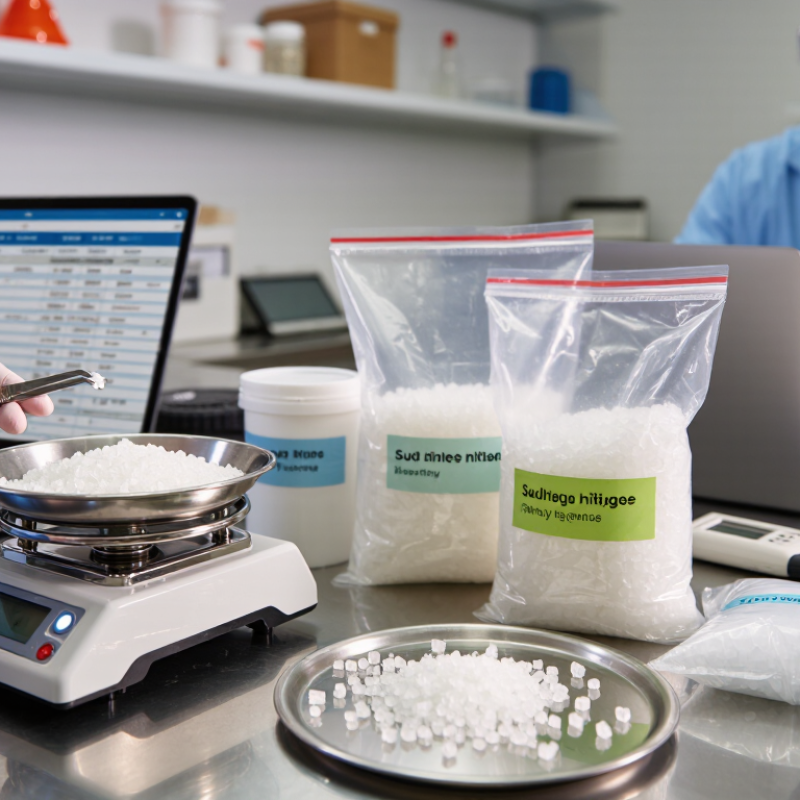
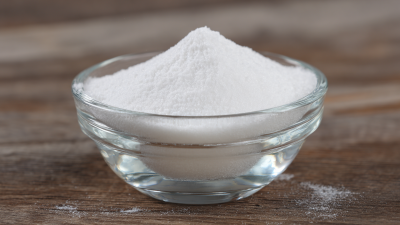
Sodium nitrate is an inorganic nitrate salt with the formula NaNO3. PubChem identifies it by CAS 7631-99-4 and a molecular weight of 84.99 g/mol. It commonly appears as white, crystalline granules that dissolve readily in water. The nitrate ion provides nitrogen, while sodium affects handling and application choices. Buyers should not confuse sodium nitrate with potassium nitrate or sodium nitrite. The names look similar. The risks are not identical.
FAO’s World Food and Agriculture Statistical Yearbook 2023 reports approximately 185 million tonnes of global inorganic fertilizer use in 2021, measured as nutrients. That figure gives market context, but it does not represent sodium nitrate sales alone. When purchasing, compare the certificate of analysis with the required assay, moisture, insoluble matter, and particle-size range. Check the production lot and retest date. A lower price can hide extra screening work. I have found specifications surprisingly inconsistent between suppliers, so written confirmation matters more than a polished product page.
Tips: Request the current SDS and COA before payment. Confirm CAS 7631-99-4 and 84.99 g/mol. Ask whether the material is technical, laboratory, or fertilizer grade. Store it in a cool, dry, well-ventilated area, away from incompatible combustible materials. Review local transport and workplace rules with a qualified safety professional. PubChem and the supplier’s documentation should agree. If they do not, pause the purchase.
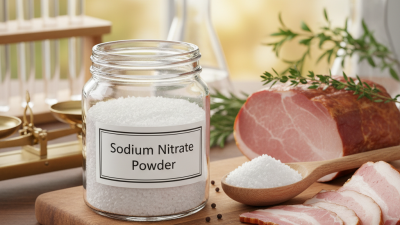
When buying sodium nitrate crystal in 2026, define purity before comparing price. A 98% industrial grade contains approximately 16.15% nitrogen by calculation. A 99% grade contains about 16.31%. The difference appears small, but it can affect dosing, residue, and process consistency. The International Fertilizer Association’s Fertilizer Manual lists sodium nitrate at roughly 16% nitrogen. That figure is a useful checking point.
Grade names can mislead. Fertilizer grade usually prioritizes nutrient value, flowability, and agricultural handling. Industrial grade may require tighter limits for moisture, insoluble matter, chloride, iron, or heavy metals. Ask for a batch-specific certificate of analysis, not a generic specification sheet. Check the analytical method, test date, lot number, and laboratory accreditation. ISO/IEC 17025 testing provides stronger evidence than an unsigned document. Small details matter.
I would not assume 99% is always better. It may cost more without improving your application. A practical mistake is comparing assay alone. Crystal size, caking, packaging, and storage humidity can change performance. UN Comtrade trade data places many nitrate products within broad HS categories, so reported trade prices may not represent sodium nitrate crystal accurately. Recheck the exact chemical identity, net weight, and impurity profile before ordering. A clear specification prevents an expensive misunderstanding.
| Comparison Dimension | Industrial Grade | Fertilizer Grade | Buyer Verification Point |
|---|---|---|---|
| Primary use | Process manufacturing, heat-transfer formulations, glass and ceramics, metal treatment, and other non-food industrial applications. | Agricultural fertilizer and nutrient blending where nitrate nitrogen and sodium are agronomically acceptable. | Confirm that the intended application is permitted for the selected grade and that any sector-specific regulations are met. |
| Typical declared purity range | 98–99% NaNO3, depending on the supplier specification and production process. | 98–99% NaNO3 is commonly requested for bulk fertilizer use, but the guaranteed value must be taken from the product specification. | Request a current certificate of analysis with the guaranteed assay, test method, lot number, and production date. |
| Chemical identity | Sodium nitrate; formula NaNO3; CAS Registry Number 7631-99-4. | Sodium nitrate; formula NaNO3; CAS Registry Number 7631-99-4. | Match the formula and CAS number on the quotation, safety data sheet, label, and certificate of analysis. |
| Molecular weight | Approximately 84.99 g/mol. | Useful for stoichiometric calculations, solution preparation, and checking assay-based purchasing requirements. | |
| Physical form | White or nearly white crystalline solid; crystal size may be specified for handling or processing. | White or nearly white crystalline solid, prilled material, or granulated material, depending on the fertilizer formulation. | Specify crystal, prill, or granule form; include particle-size distribution and the percentage passing the selected sieve if needed. |
| Moisture requirement | Often controlled to support free-flowing handling; the exact maximum must be agreed in the purchase specification. | Moisture control is important for storage stability, caking resistance, and spreading performance. | Do not rely on “dry” as a description. Set a numerical maximum moisture limit and identify the analytical method. |
| Water solubility | Highly soluble in water; reported solubility is approximately 91 g per 100 g of water at 25°C, with the value varying by test conditions. | For solution production, confirm dissolution temperature, concentration, and any insoluble-residue limit. | |
| Appearance and color | Typically white to off-white crystals with no visible foreign matter. | Typically white to off-white crystals, prills, or granules with no visible foreign matter. | Include a visual-appearance requirement and define acceptable discoloration, agglomeration, and foreign-material limits. |
| Insoluble matter | May be tightly controlled for process applications, filtration systems, or solution manufacture. | May be less critical than nutrient content, but excessive insoluble material can affect blending and application. | Set a maximum value when the product will be dissolved, sprayed, or used in equipment sensitive to solids. |
| Nitrogen content | Calculated nitrogen content for pure sodium nitrate is approximately 16.47% by mass. | Usually declared as nitrate nitrogen or total nitrogen according to the applicable fertilizer labeling rules. | Confirm whether the quoted nitrogen value is elemental N, nitrate-N, or another reporting basis. |
| Sodium content | Pure sodium nitrate contains approximately 27.06% sodium by mass. | Sodium is an inherent component and may be beneficial or undesirable depending on soil, crop, and irrigation conditions. | Evaluate sodium loading and crop/soil compatibility before selecting fertilizer grade. |
| Impurity controls | May include limits for chloride, sulfate, calcium, magnesium, heavy metals, and other process-relevant impurities. | May include limits for contaminants and parameters required by fertilizer regulations or local market standards. | List each critical impurity with a maximum value instead of accepting an unspecified “high purity” claim. |
| Packaging options | Commonly supplied in moisture-resistant bags, lined bulk bags, or other agreed industrial packaging. | Commonly supplied in bags, lined bulk bags, or bulk shipments suitable for fertilizer handling. | Specify net weight, liner material, palletization, labeling, and protection from moisture during transport. |
| Storage conditions | Store in a cool, dry, well-ventilated area away from combustible materials and incompatible chemicals. | Keep dry and protected from moisture, contamination, and incompatible materials; prevent caking and package damage. | Review the current safety data sheet and local storage rules before receiving the shipment. |
| Oxidizer classification | Sodium nitrate is an oxidizing solid under applicable transport or workplace classification systems; the exact classification depends on jurisdiction and product data. | Obtain the current safety data sheet and confirm transport classification, hazard labels, and emergency-handling requirements. | |
| Recommended purchase documents | Technical data sheet, safety data sheet, certificate of analysis, packing specification, and agreed inspection criteria. | Technical data sheet, safety data sheet, certificate of analysis, nutrient declaration, and applicable fertilizer compliance documents. | Make document submission and lot traceability conditions of purchase before payment or dispatch. |
| Best selection rule | Choose this grade when process purity, controlled impurities, particle size, or solution performance is more important than nutrient labeling. | Choose this grade when the material is intended for agricultural use and the nutrient declaration, agronomic suitability, and local compliance are the priorities. | Compare the full specification—not purity alone—before approving a supplier or shipment. |
How to Buy Sodium Nitrate Crystal in 2026?
Solubility should guide your purchase, not just the quoted price. The CRC Handbook of Chemistry and Physics reports approximately 91 g per 100 mL of water at 25°C. This high solubility supports rapid preparation in controlled industrial and laboratory processes. However, reported values may differ with temperature, purity, and measurement method. Check the basis carefully.
Ask for a current certificate of analysis before ordering. Confirm assay, moisture, insoluble matter, crystal size, and packaging conditions. Food-grade or technical specifications may not match your application. FAO/WHO JECFA specifications provide useful reference points for purity and contaminant control, but they should not replace application-specific testing. A sealed container, dry storage, and clear batch traceability are practical signs of a reliable supplier. I would not rely on solubility alone. That is an easy mistake.
Tips:
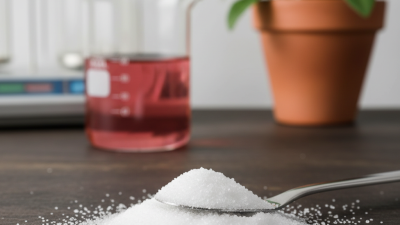
Dissolve a small measured sample in deionized water at 25°C. Record the mass, volume, and time. Compare the result with the supplier’s data sheet. Small temperature changes can alter the result noticeably. Also check whether “91 g/100 mL” means water volume or solution volume. Those figures are not identical. During purchasing, request an SDS, transport documentation, and recent quality records. A simple trial batch can reveal clumping, slow dissolution, or unexpected residue before a larger order.
When buying sodium nitrate crystal in 2026, verify its transport identity before comparing price or appearance. The documentation should identify UN 1498 and Class 5.1, indicating an oxidizing substance. Confirm that the supplier’s description matches the product, packaging, and shipping papers. A clean container is useful, but it does not prove compliance.
Request a current Safety Data Sheet (SDS) before placing an order. Check the product name, hazard information, handling controls, storage conditions, first-aid measures, and emergency contact details. The SDS should show a revision date and supplier information. Read the storage section carefully. Keep the material away from combustible substances, heat, and incompatible chemicals. Small details matter.
Ask for a Certificate of Analysis (COA) linked to the exact production lot. Review purity, moisture, appearance, test methods, specification limits, testing date, and authorized approval. The lot number on the COA should match the package label and commercial documents. Do not rely on a generic certificate. That is a common mistake.
A sensible buyer also checks whether the SDS, COA, and transport classification agree. If one document says a different product name or hazard class, pause the purchase. Ask for clarification in writing. Regulations and carrier requirements may vary by country, so confirm them with qualified local authorities or a trained dangerous-goods professional. I would not treat a fast reply as proof of reliability. Document quality deserves more attention than speed.
Buying sodium nitrate crystals in 2026 requires evidence, not attractive catalog language. Ask each supplier for a current Certificate of Analysis, Safety Data Sheet, and ISO 9001 certificate. Verify the certificate number, issuing body, scope, and expiry date. ISO 9001 confirms a quality system, not automatic product purity. That distinction matters.
Compare the minimum order quantity, or MOQ, with your actual consumption. A low unit price can become expensive when the supplier requires a full pallet or container. Request prices for 25 kg bags, pallet quantities, and larger lots. Include packaging, inland delivery, insurance, and customs charges. Prices change quickly. Use the latest UN Comtrade trade statistics to review import values, then compare them with fertilizer-market trends in the World Bank Commodity Markets Outlook. These sources show market direction, not a guaranteed sodium nitrate price.
For a 2026 quotation, request the pricing date, currency, delivery term, validity period, and adjustment formula. Ask whether energy, freight, or raw-material changes can trigger revisions. A supplier offering a fixed price for twelve months may deserve questions. It may be reliable, or it may hide assumptions. I would also test a small compliant shipment before approving a larger contract. Check crystal appearance, assay results, moisture, lot identification, and delivery condition. One weakness remains: public trade data often combines different grades and destinations, so its average value can mislead procurement decisions.
A supplier-screening model for confirming ISO 9001, MOQ, documentation, and 2026 pricing before placing an order.
The chart uses a transparent 100-point procurement score: regulatory and quality compliance carries the highest weight, followed by verified 2026 pricing, MOQ suitability, and logistics readiness. These are buyer-defined evaluation weights, not data from any specific company or brand. Confirm the supplier’s current ISO 9001 certificate, sodium nitrate SDS and COA, MOQ, Incoterms, lead time, and written 2026 quotation before purchase.