How to Use Mg Nitrate Hexahydrate for Effective Fertilization?
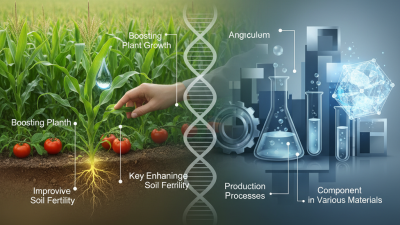
In the realm of sustainable farming, the use of "Mg Nitrate Hexahydrate" has gained significant attention. Leading agronomist Dr. Emily Carter states, "Mg Nitrate Hexahydrate enhances plant growth by providing essential nutrients." This compound plays a vital role in improving soil fertility and crop yield. Farmers are increasingly turning to this solution for its effectiveness.
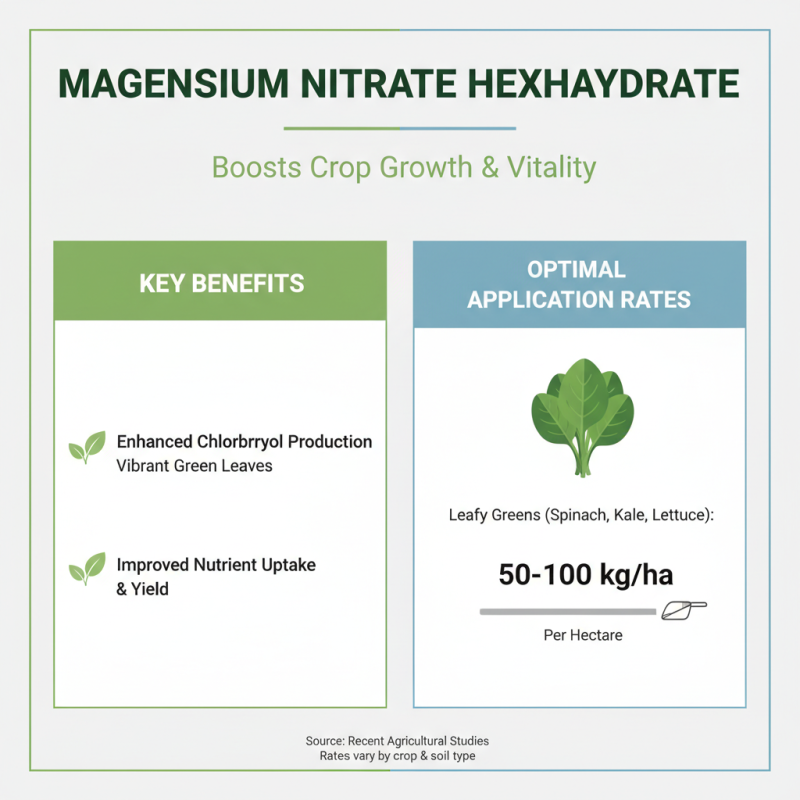
Mg Nitrate Hexahydrate is rich in magnesium and nitrogen. These elements are crucial for photosynthesis and overall plant health. It helps in chlorophyll production and facilitates nutrient uptake. However, improper application can lead to deficiencies. Understanding the right dosage is essential to prevent crop yield issues.
Experts suggest conducting soil tests before application. This helps in determining the exact nutrient needs of plants. Striking the right balance is crucial. Too much can negatively impact growth. Thus, while Mg Nitrate Hexahydrate offers benefits, careful consideration is essential for effective fertilization.

Understanding Magnesium Nitrate Hexahydrate and Its Benefits for Plants
Magnesium Nitrate Hexahydrate (Mg(NO3)2·6H2O) plays a vital role in plant nutrition. It provides both magnesium and nitrogen. These are crucial for healthy plant growth. Magnesium is essential for chlorophyll synthesis. Nitrogen aids in protein formation and overall plant development. Reports indicate that sufficient magnesium enhances photosynthesis by up to 25%. This can lead to better yield and quality.
Using Mg Nitrate effectively requires understanding your soil's needs. Test the soil pH and nutrient levels. This will guide you in applying the correct dosage. Generally, a concentration of 1-2% is recommended for foliar applications. Keep in mind that over-application can lead to nutrient imbalances. A cautious approach is crucial.
**Tip**: Always water the plants after application. This helps with nutrient absorption.
Another consideration is the timing of application. Apply magnesium nitrate during the growing season. Mid-season is often optimal. Monitor plant health closely. If leaves show yellowing, this might indicate a magnesium deficiency.
**Tip**: Consider using a combination of soil and foliar applications for best results. Flexibility in approach can yield surprising benefits.
How to Use Mg Nitrate Hexahydrate for Effective Fertilization? - Understanding Magnesium Nitrate Hexahydrate and Its Benefits for Plants
| Parameter |
Value |
| Chemical Formula |
Mg(NO3)2·6H2O |
| Molar Mass |
256.41 g/mol |
| Water Solubility |
Highly soluble |
| pH Level (10% Solution) |
6.0 - 7.0 |
| Application Rate (Vegetables) |
50-100 kg/ha |
| Application Rate (Fruits) |
100-150 kg/ha |
| Primary Benefits |
Promotes chlorophyll synthesis, enhances nutrient uptake, improves fruit quality |
| Best Application Time |
During active growth phase |
Methods for Applying Magnesium Nitrate Hexahydrate in Soil and Hydroponics
Magnesium nitrate hexahydrate is a valuable resource for both soil and hydroponic systems. In soil applications, it is essential to dissolve this compound in water first. This ensures even distribution. A recommended dosage is about 5-10 grams per square meter. Studies indicate that applying magnesium nitrate can improve plant growth by up to 20% due to its magnesium content. This mineral is crucial for chlorophyll production.
For hydroponic systems, using magnesium nitrate can enhance nutrient solutions. It is advisable to mix it with other essential nutrients. The ideal concentration ranges between 0.5 to 1 gram per liter of water. However, care must be taken not to overuse it. Excessive magnesium can lead to nutrient imbalances. Regular monitoring of nutrient solutions is necessary. This helps maintain ideal levels for optimal plant growth.
The timing of these applications also matters. Magnesium is most effective during the vegetative stage. But some plants may exhibit deficiencies during flowering if not properly managed. Conducting periodic soil tests can guide the correct application and timing. It's a balancing act that requires observation and adjustment. Mismanagement can lead to suboptimal outcomes, highlighting the need for careful planning.
Mg Nitrate Hexahydrate Fertilization Effectiveness
This bar chart represents the growth rate of plants under various conditions of magnesium nitrate hexahydrate application. It highlights the effectiveness of application in both soil with different pH levels and hydroponics systems.
Timing and Frequency of Magnesium Nitrate Hexahydrate Fertilization
Timing and frequency are crucial when using magnesium nitrate hexahydrate for fertilization. Different plants have varying nutrient needs. It's essential to tailor your application schedule based on the growth stage of your crops. For example, during the early vegetative stage, apply magnesium nitrate every two weeks to support growth. However, during flowering, you may want to reduce the frequency to once a month.
The temperature and humidity can also influence how often you fertilize. In warmer climates, nutrients may be absorbed more quickly, necessitating more frequent applications. Conversely, in cooler conditions, you may find that less frequent applications suffice. Consider the signs of nutrient deficiency in your plants. Yellowing leaves might indicate a need for magnesium. However, over-fertilization can damage plants and reduce yields.
Finding the right balance requires observation and adjustment. Always be ready to reflect on your practices. Track how your plants respond to the fertilization schedule you set. This trial and error approach can lead to better results over time. It's not a one-size-fits-all solution; personalization is key. Keep notes on what works and what doesn’t, and adapt your strategy as needed.
Potential Risks and Precautions When Using Magnesium Nitrate Hexahydrate
Magnesium nitrate hexahydrate is popular among gardeners and farmers. However, its use comes with potential risks. This compound can leach into groundwater. High levels of magnesium in water can lead to algae blooms. Algae consume oxygen, harming aquatic life. Studies show that excessive nitrates are linked to serious health issues, like methemoglobinemia in infants.
When using magnesium nitrate hexahydrate, proper handling is essential. Wear gloves and a mask to avoid skin and respiratory irritation. Inappropriate dosage can affect plant growth negatively. The recommended application rate varies depending on plant type and growth stage. Soil tests can help determine the necessary amounts. Overuse can lead to nutrient imbalances. This might yield poor crop quality.
Keep in mind that magnesium nitrate can attract pests. High concentrations might also alter soil pH levels. Regular soil monitoring helps mitigate these risks. Paying attention to environmental conditions is vital for effective usage. Ignoring the surrounding ecosystem can result in unintended consequences. Awareness of local regulations is necessary, especially regarding runoff and soil health.