How to Use Magnesium Nitrate Powder for Plant Growth?
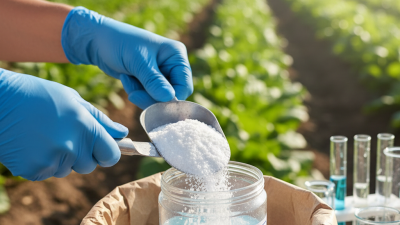
Magnesium Nitrate Powder is a valuable resource for enhancing plant growth. This compound is rich in magnesium and nitrogen, two essential nutrients. When utilized correctly, it can significantly improve plant health and yields.
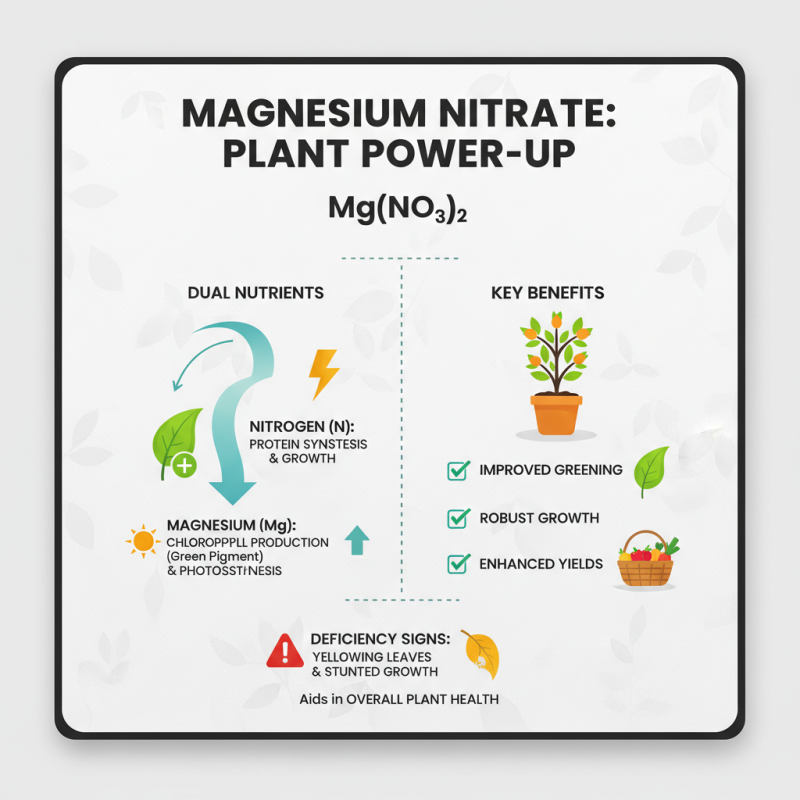
Plants thrive on nutrients, and magnesium plays a vital role in photosynthesis. It helps plants produce chlorophyll, which gives leaves their green color. Without sufficient magnesium, plants may suffer from chlorosis, leading to stunted growth. Nitrate, on the other hand, is crucial for protein synthesis and overall plant development.
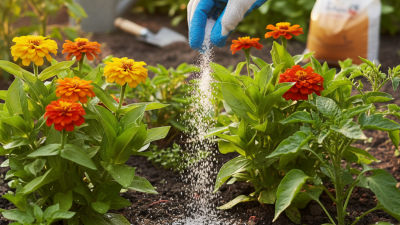
Using Magnesium Nitrate Powder can be quite simple. It can be dissolved in water for foliar sprays or soil applications. However, one must be cautious about the dosage. Too much can harm plants, leading to nutrient burn. Observing plant reactions is essential for effective use. Developing a keen sense of when plants need nutrients will improve your gardening skills. This balance makes the process rewarding, yet challenging.
Understanding the Role of Magnesium Nitrate in Plant Nutrition
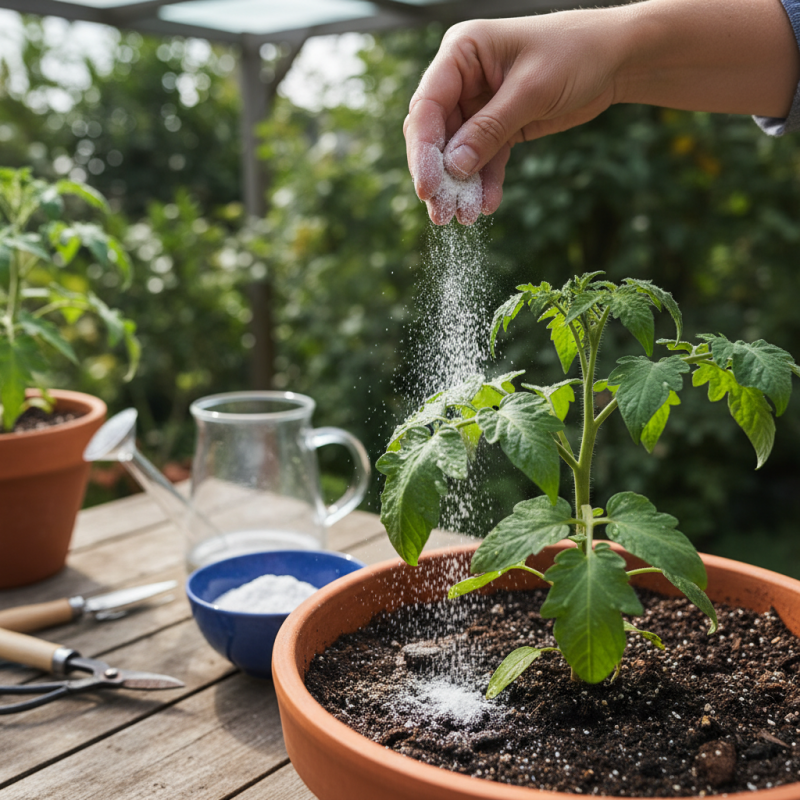
Magnesium nitrate plays a vital role in plant nutrition. It is a soluble source of magnesium and nitrogen. These two nutrients support various essential processes in plants. Magnesium aids in chlorophyll production, which is crucial for photosynthesis. Without enough magnesium, plants may exhibit yellowing leaves and stunted growth.
Plants also require nitrogen for healthy development. It is a key component of amino acids and proteins. Nitrogen promotes vigorous growth and lush foliage. However, too much nitrogen can lead to excessive foliage at the expense of flowers and fruits. Striking the right balance can be difficult. Over-fertilization might harm the plants instead of helping them.
Applying magnesium nitrate should be done carefully. A water-soluble form allows for easy application. Yet, plant response to nutrients varies. Soil type, moisture, and existing nutrient levels all impact absorption. Observing your plants is crucial. If leaves turn yellow despite fertilization, re-evaluate your nutrient strategy.
How to Prepare Magnesium Nitrate Solution for Plant Application
Magnesium nitrate is beneficial for plant growth, enhancing chlorophyll production and photosynthesis. To prepare magnesium nitrate solution, start with high-quality powder and clean water. Use 1 part magnesium nitrate to 10 parts water. This ratio provides enough nutrients without overwhelming plants. Mix until the powder fully dissolves.
Once mixed, apply the solution to plants during their active growth phase. Research indicates that plants benefit from regular magnesium nitrate applications. A report from the National Agricultural Institute shows that magnesium plays a crucial role in nutrient absorption. Insufficient magnesium can lead to yellowing leaves and stunted growth.
Be cautious with application frequency. Overusing magnesium nitrate can cause nutrient imbalances. Monitor your plants closely for any reactions. Some plants may show signs of stress or nutrient deficiencies. Adjust accordingly to optimize growth conditions. Frequent adjustments and careful observation are key to maintaining healthy plants.
Magnesium Nitrate Application Effects on Plant Growth
This bar chart illustrates the effect of different application rates of magnesium nitrate on plant height. The data shows a positive correlation between the amount of magnesium nitrate applied and the growth of the plants, indicating the benefits of this nutrient in plant development.
Best Practices for Applying Magnesium Nitrate in Soil and Hydroponics
Magnesium nitrate powder plays a crucial role in promoting plant growth. It provides essential magnesium and nitrogen, two vital nutrients. For optimal results, understanding the best practices for applying magnesium nitrate is important.
In soil applications: it's best to mix magnesium nitrate with water. A common recommendation is to dissolve 1-3 grams per liter of water. It's essential to apply this solution directly to the base of the plants. This method enhances nutrient uptake. Over-application can lead to nutrient imbalances. Be cautious; too much can harm your plants.
In hydroponics: magnesium nitrate is typically used in nutrient solutions. Aim for a concentration of 30-50 ppm in your nutrient mix. Monitor the pH regularly, as variations can affect nutrient availability. Keeping the right pH level is key for maximizing growth. Adjustments may be needed over time.
Tip: Always test the soil or water before application. It helps you understand nutrient levels. This can prevent deficiencies or excesses.
Tip: Observe your plants regularly. Signs of magnesium deficiency include yellowing leaves and poor growth. Act quickly to adjust nutrient levels if you see these signs.
Applying magnesium nitrate correctly can significantly impact your plants' health and yield. However, it requires careful monitoring and adjustments. Mistakes can hinder growth, so stay alert.
Effect of Magnesium Nitrate on Different Plant Species and Growth Stages
Magnesium nitrate is a powerful nutrient for plants. It plays a crucial role at various growth stages. For seedlings, it aids in establishing strong roots. Seedlings absorb magnesium and nitrogen easily from the soil. This helps their initial growth, leading to healthier plants.
As plants mature, magnesium nitrate continues to support their development. Different plant species respond differently. Leafy greens, for instance, thrive with ample magnesium. Their growth is often faster and more vigorous. In contrast, flowering plants may struggle without it. They may show signs of nutrient deficiency, like yellowing leaves or weak blooms. Observing these signs can be telling.
It's important to apply magnesium nitrate carefully. Over-application can harm plants. Finding the right balance requires attention and practice. Some gardeners note that trial and error is essential. They experiment with different concentrations. Observing the plants' reactions helps refine their approach. Learning what works best can take time, but it is rewarding.
How to Use Magnesium Nitrate Powder for Plant Growth? - Effect of Magnesium Nitrate on Different Plant Species and Growth Stages
| Plant Species |
Growth Stage |
Magnesium Nitrate Concentration (g/L) |
Effects Observed |
Growth Promoted (%) |
| Tomato |
Vegetative |
1.5 |
Increased leaf chlorophyll content |
25% |
| Pepper |
Flowering |
2.0 |
Improved fruit set and size |
30% |
| Cucumber |
Seedling |
1.0 |
Enhanced root development |
20% |
| Lettuce |
Mature |
1.2 |
Increased biomass and leaf width |
15% |
| Potato |
Tuber Initiation |
1.8 |
Higher tuber yield and size |
40% |
Safety Precautions While Handling and Using Magnesium Nitrate Powder
Magnesium nitrate powder can significantly benefit plant growth. However, safety precautions are crucial when handling this chemical. Always wear gloves and a mask. This protects your skin and lungs from irritation. The powder can cause harmful reactions if inhaled or contacted with skin.
Store magnesium nitrate in a cool, dry place. Water exposure can lead to clumping, making it harder to use. It's important to keep it away from children and pets. If a spill occurs, clean it up immediately to prevent accidental ingestion or inhalation.
When mixing the powder with water, do so in a well-ventilated area. The fumes can be potent. If you feel dizzy or lightheaded, leave the area right away. Always read the safety data sheet, if available. This document provides essential details about handling and potential hazards. Being educated can prevent mishaps and ensure a safer gardening experience.