The Science Behind Sodium Nitrate Powder Uses in Agriculture and Food Preservation
Sodium Nitrate Powder has emerged as a critical component in both agricultural practices and food preservation, driven by its unique chemical properties and versatile applications. Recent reports from the Food and Agriculture Organization (FAO) and the United Nations suggest that the global demand for efficient fertilizers will reach 200 million tons annually by 2030, predominantly due to the increasing need for sustainable agricultural practices. Sodium Nitrate Powder, with its nitrogen-rich formulation, plays an essential role in enhancing soil fertility and promoting healthy crop growth, making it an indispensable resource for farmers seeking to optimize yield while adhering to environmentally responsible methods.
In the realm of food preservation, the application of Sodium Nitrate Powder has revolutionized the way perishable products are treated, significantly extending shelf life while maintaining quality and safety. A study published by the Journal of Food Science highlighted that the use of sodium nitrate in meat curing processes not only inhibits bacterial growth but also enhances the aesthetic appeal of food through color preservation. As food safety regulations tighten globally, the role of Sodium Nitrate Powder in adhering to these standards becomes increasingly vital. Understanding the science behind its functionality allows producers and consumers alike to appreciate the balance between agricultural practice sustainability and food safety in modern society.
The Role of Sodium Nitrate in Enhancing Crop Yields and Quality
Sodium nitrate plays a critical role in enhancing crop yields and quality by improving nitrogen availability in agricultural systems. Research indicates that plants with better nitrogen utilization efficiency demonstrate enhanced growth and biomass accumulation. For instance, the symbiotic interaction between Trichoderma asperellum T42 and tobacco has shown significant improvements in nitrogen content, nitric oxide production, and overall plant growth when fed with sufficient nitrogen nutrients. By facilitating nitrogen absorption and conversion, sodium nitrate helps crops achieve higher yields, which is essential as the global population continues to rise, increasing food demand dramatically.
Moreover, the efficacy of sodium nitrate can be seen in the context of complementary practices such as biochar application, which has been shown to enhance soil properties and consequently tomato yield and quality. A study revealed that biochar enhances soil productivity, leading to improved growth metrics and extended shelf life of harvested produce. The integration of precision fertilization strategies, particularly using tailored nitrogen applications like urea and potassium nitrate combinations, has also been shown to boost growth and antioxidant resilience in crops such as sesame. These advancements emphasize the significance of sodium nitrate and its synergistic effects on maximizing crop performance and ensuring high-quality produce in the face of ever-growing food production challenges.
Understanding the Biochemical Mechanism of Sodium Nitrate in Plant Growth
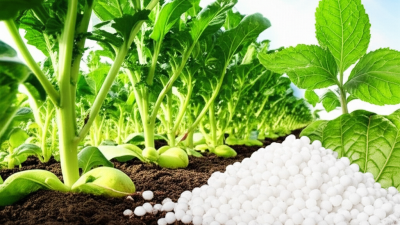
Sodium nitrate (NaNO3) plays a crucial role in agriculture as a nitrogen source, vital for plant growth and development. This compound serves as a nitrogen fertilizer, providing plants with essential nutrients that enhance photosynthesis and protein synthesis. According to a report by the International Fertilizer Association, nitrogen fertilizers, including sodium nitrate, significantly contribute to increasing crop yields, with studies showing that they can boost agricultural outputs by up to 30% in certain crops. Furthermore, sodium nitrate's solubility allows for quick absorption by plant roots, facilitating immediate nutrient availability.
Understanding the biochemical mechanism of sodium nitrate in plant growth reveals how it transforms into ammonia (NH3) within the plant. This conversion supports the synthesis of amino acids, which are fundamental building blocks for protein formation. A comprehensive analysis conducted by the Food and Agriculture Organization highlights that optimized usage of sodium nitrate not only accelerates growth rates but also enhances the quality of vegetables and fruits by increasing their protein content and overall nutritional value. The strategic integration of sodium nitrate in agricultural practices underscores its importance in sustainable food production systems.
The Impact of Sodium Nitrate on Plant Growth and Yield
This chart illustrates the percentage increase in yield for different crops when sodium nitrate is applied. Sodium nitrate serves as a nitrogen source that enhances plant growth and productivity through various biochemical mechanisms.
The Benefits of Sodium Nitrate in Food Preservation and Its Impact on Shelf Life
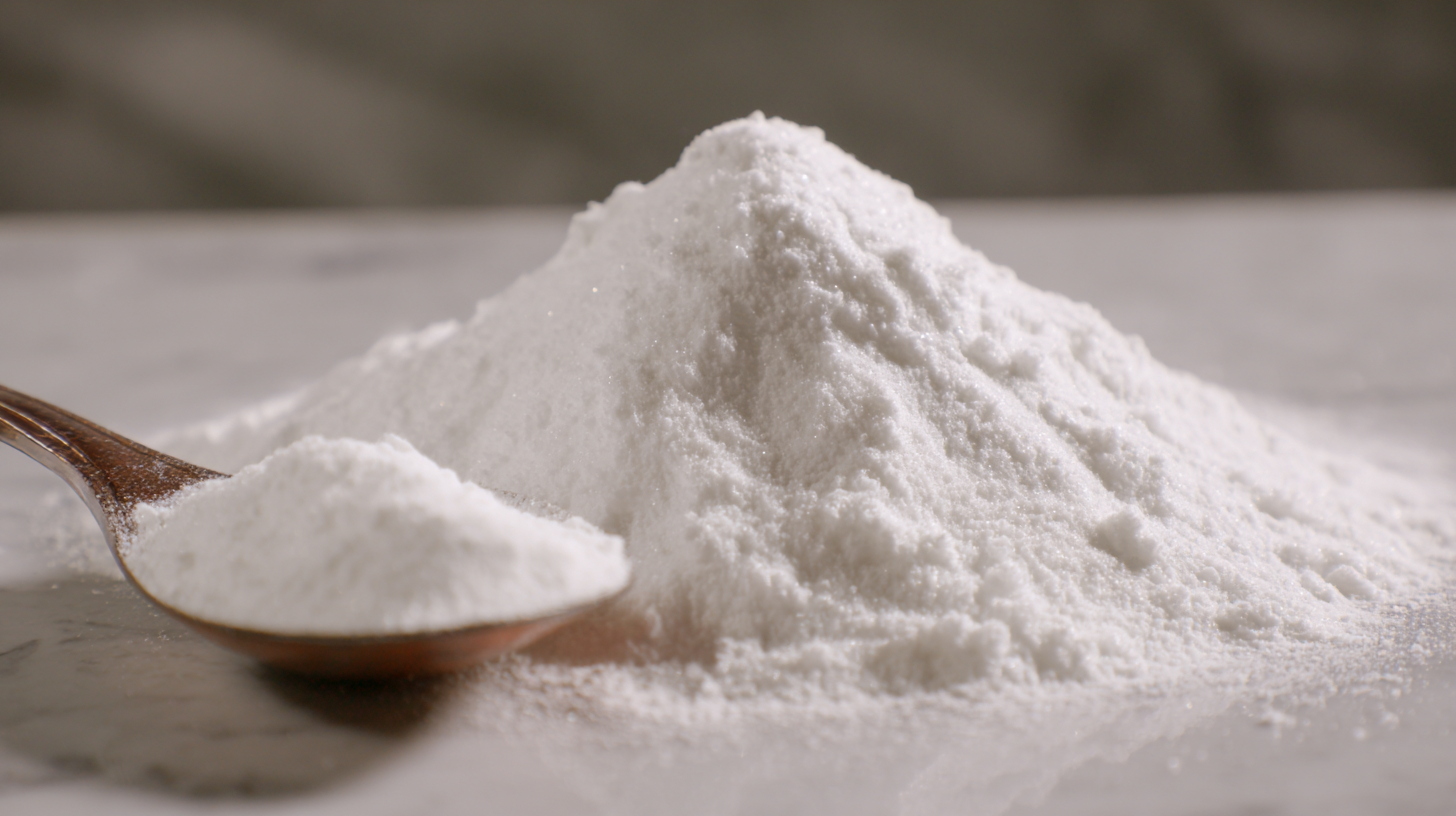 Sodium nitrate, a compound with a long history in agriculture and food preservation, plays a crucial role in extending the shelf life of various products. By inhibiting the growth of harmful bacteria, yeasts, and molds, sodium nitrate helps maintain food safety and quality. This antimicrobial property is especially beneficial in curing meats, where it not only preserves color and flavor but also prevents the development of botulism-causing bacteria. The controlled addition of sodium nitrate in food processing is a practice embraced for its effectiveness in achieving desired preservation outcomes.
In addition to its preservative qualities, sodium nitrate acts as a source of nitrogen, which can enhance the nutritional profile of certain food items. Its ability to regulate moisture levels within packaged foods helps in minimizing spoilage, thereby providing consumers with a fresher product for a longer duration. Furthermore, the use of sodium nitrate in agriculture ensures healthier crop yields, which indirectly supports food preservation efforts by maximizing production efficiency. The dual functionality of sodium nitrate makes it a valuable tool in both the agricultural field and the food industry.
Comparative Analysis of Sodium Nitrate and Other Nitrogen Sources in Agriculture
Sodium nitrate has become a pivotal nitrogen source in agriculture, especially when compared to synthetic fertilizers. Recent data indicates that the sodium nitrate market is projected to reach USD 231.47 million, reflecting its increasing application in various agricultural practices and food preservation techniques. The comparative analysis of sodium nitrate and other nitrogen sources shows that sodium nitrate not only enhances crop yield but is also a highly soluble and readily available form of nitrogen, making it an effective choice for farmers aiming for efficiency and sustainability.
Furthermore, studies have highlighted alternative methods of nitrogen management, such as the utilization of agricultural wastes as deoxidation matrices to promote deep denitrification. This eco-friendly approach aligns with the objectives of reducing reliance on synthetic nitrogen fertilizers while mitigating the impacts of nitrogen runoff in waterways. Research on the co-metabolism of substrates by beneficial microbes like Pseudomonas aeruginosa NG4 has also illustrated how microbial interactions can enhance the biosurfactant production and nitrogen cycling in soil, presenting a holistic view of how various nitrogen sources, including sodium nitrate, can effectively contribute to sustainable agriculture practices.
Current Regulatory Standards and Safety Concerns for Sodium Nitrate Use in Food and Farming
Sodium nitrate, a common additive in agriculture and food preservation, plays a crucial role in both sectors. However, its usage is not without controversy, primarily due to regulatory standards and safety concerns that arise from its application. Regulatory bodies, such as the FDA and EFSA, have established guidelines to ensure that sodium nitrate levels in food remain within safe limits. These standards are primarily aimed at mitigating potential health risks associated with excessive consumption, including links to certain types of cancer and other health issues.
Furthermore, the agricultural use of sodium nitrate as a fertilizer is also closely monitored. While it effectively promotes plant growth by supplying nitrogen, its misuse can lead to environmental concerns, such as nitrate leaching into water sources. This can contribute to eutrophication, causing detrimental effects on aquatic ecosystems. As a result, it's imperative for farmers and food producers to adhere to established regulations and best practices, ensuring that sodium nitrate is used safely and responsibly, minimizing its impact on health and the environment.