How to Use Food-Grade Sodium Nitrite Safely in Preservation?
Food-Grade Sodium Nitrite is a key ingredient in food preservation. It helps in preventing spoilage and ensuring safety. According to the “International Journal of Food Science,” sodium nitrite is essential in curing meats and enhancing flavor. Its proper use can lead to extended shelf life.
Expert Dr. Emily Cartwright emphasizes, “Food-Grade Sodium Nitrite must be used judiciously to achieve the best results.” This highlights the need for a balanced approach to preservation. While it offers benefits, misuse can lead to health risks. Awareness of recommended dosages is crucial for safe application.
The industry reports that incorrect usage can cause food safety concerns. Consumers should be well-informed about how to handle and apply this compound. Understanding both benefits and potential drawbacks is essential. This reflects the complex relationship between food preservation and safety in our diets.
Understanding Food-Grade Sodium Nitrite and Its Uses in Preservation
Food-grade sodium nitrite is widely recognized for its role in food preservation. It effectively inhibits the growth of harmful bacteria, particularly Clostridium botulinum. This bacterium can cause severe foodborne illnesses. The use of sodium nitrite can improve the safety and longevity of meats. According to the USDA, the correct concentration ranges between 120-200 parts per million (ppm) for cured meats.
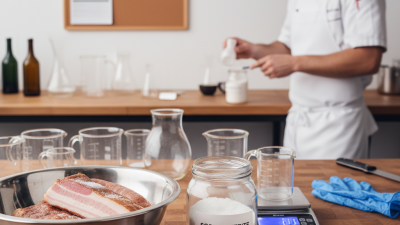
Proper handling and storage are crucial when using sodium nitrite. Always wear gloves and a mask, as direct contact can be harmful. Ensure your workspace is well-ventilated. When measuring, consider using a scale for precision. Overuse can lead to toxicity. Maintaining proper ratios is essential for safety and to avoid undesirable flavors.
Tips for using sodium nitrite safely:
- Always measure carefully to avoid excess.
- Store sodium nitrite in a cool, dry place.
- Dispose of any unused product responsibly.
It’s important to remember that this compound, while useful, can be hazardous. Continuous research is needed to fully understand its effects. Engaging with food preservation literature can enhance your knowledge and better inform your practices.
Safety Guidelines for Handling Food-Grade Sodium Nitrite
When working with food-grade sodium nitrite, safety should always come first. This compound is used in meat preservation for its antibacterial properties. However, improper handling poses risks. Always
wear gloves and masks to protect yourself. Direct contact can irritate the skin and lungs.
It's crucial to store sodium nitrite safely. Keep it in a cool, dry place, away from direct sunlight. Ensure the container is tightly sealed.
Label all containers clearly. This helps prevent confusion and potential accidents. Remember, accidents may happen, so having a first aid kit nearby is wise.
Educating yourself and others about sodium nitrite is vital. Read safety data sheets to understand its hazards. Knowledge can reduce risks significantly. Additionally,
regular safety training for kitchen staff is beneficial. Reflect on your handling procedures and look for areas of improvement. A cautious approach ensures your safety while using this effective preservative.
Proper Measurement and Dosage for Effective Preservation
When using food-grade sodium nitrite for preservation, accurate measurement is crucial. This chemical is effective in preventing spoilage and bacteria growth. However, too much can be harmful. For meats, aim for 0.5 to 2 percent concentration. A kitchen scale can help ensure precise dosing.
Consider the food type you are working with. Cured meats often require specific concentrations. For example, bacon and sausages may need different amounts of sodium nitrite for safety. Always refer to guidelines or consult preservation experts. A small scale or measuring spoons can help achieve the right balance.
Mistakes can happen. Users often underestimate the importance of accuracy. An improper dosage can lead to unsafe products or undesirable flavors. Regularly review your measurements and methods. It is beneficial to keep a log of your processes. This can help identify patterns in your preservation techniques.
Storage and Shelf Life of Food-Grade Sodium Nitrite
Food-grade sodium nitrite can be a valuable tool for preservation when used correctly. Its effectiveness hinges on how it is stored. Store it in a cool, dry place. A tightly sealed container is essential to prevent moisture absorption. The container should also be opaque to block light, which can degrade the product over time. High humidity and exposure to light can reduce its effectiveness and safety, making proper storage vital.
The shelf life of food-grade sodium nitrite is typically about one to two years if stored properly. Always check the expiration date and look for any signs of clumping or discoloration. If the product has changed in appearance, it may not be safe to use. Remember, food-grade sodium nitrite should be kept out of reach of children. Safety is paramount, and while its preservation qualities are notable, it must be treated with respect. Reflect on your storage practices regularly to ensure you are maintaining its efficacy and safety.
Alternatives to Sodium Nitrite in Food Preservation Techniques
When considering alternatives to sodium nitrite for food preservation, several techniques stand out. One popular method is the use of salt. Salt has been used for centuries to inhibit microbial growth. It draws moisture out of food, which makes it less hospitable for bacteria. However, over-salting can lead to undesirable flavors and health risks.
Another option is the use of vinegar, particularly in pickling. Vinegar's acidity creates an environment that many harmful bacteria cannot survive. This method also imparts a tangy flavor to the preserved foods. Nonetheless, not everyone enjoys the taste of pickled items, and excessive acidity can alter the food's texture.
Fermentation is also gaining traction among home preservers. This technique uses beneficial bacteria to produce lactic acid, which acts as a natural preservative. While it gives foods a unique flavor profile, it requires knowledge and patience. There’s a fine line between a successful fermentation and spoilage. Understanding how these methods work is crucial for safe food preservation. Embracing these alternatives allows enthusiasts to explore diverse tastes and methods while keeping food safety in mind.
Food Preservation Techniques Comparison