Top 5 High Nitrogen Fertilizers for Maximum Crop Yield and Soil Health
High nitrogen fertilizers play a crucial role in modern agriculture, driving productivity and ensuring the health of soils. According to the Global Fertilizer Demand Report (2022), the demand for nitrogen fertilizers is expected to grow by 3% annually, reflecting the increasing need for agricultural efficiency in response to a rising global population. As crops require significant amounts of nitrogen for optimal growth and yield, these fertilizers contribute to enhancing crop performance while maintaining soil fertility.
Dr. Emily Johnson, a renowned expert in soil science and sustainable agriculture, remarked, "The strategic use of high nitrogen fertilizers not only boosts crop yields but also enhances soil nutrient levels, creating a long-term benefit for agricultural sustainability." With her insights, it becomes evident that selecting the right high nitrogen fertilizer is integral for farmers seeking to maximize their harvests while adhering to environmentally responsible practices.
In this article, we will explore the top five high nitrogen fertilizers that stand out in the market, focusing on their benefits, usage recommendations, and overall impact on crop yield and soil health.
Top 5 High Nitrogen Fertilizers for Boosting Crop Yield
High nitrogen fertilizers play a crucial role in boosting crop yields, an essential factor for food security as we approach 2025. Among the top contenders is ammonium nitrate, renowned for its ability to enhance crop production significantly. According to recent insights, utilizing ammonium nitrate can lead to substantial increases in yield stability and microbial diversity in the soil, especially when integrated with long-term manure practices. A comprehensive 14-year field trial has highlighted the effectiveness of these combined strategies in improving soil health and overall agricultural output.
Another noteworthy option is urea, which is widely adopted for its affordability and efficacy. Despite fluctuations in market prices—reportedly varying by 22% between 2023 and 2025—the demand for urea remains strong due to its role in precision agriculture techniques. The versatility of urea, including its liquid form and ability to synergize with other nutrients, further positions it as a staple in nitrogen management. As the global nitrogenous fertilizer market is projected to reach approximately USD 135.65 billion by 2025, the emphasis on sustainable practices in nitrogen use continues to grow, indicating an industry trend toward improving both crop yields and environmental stewardship.
Essential Characteristics of the Best Nitrogen Fertilizers for Agriculture
Nitrogen is a critical nutrient for crop production, playing a pivotal role in enhancing yields and promoting soil health. The essential characteristics of the best nitrogen fertilizers for agriculture include their efficiency, compatibility with precision farming techniques, and the ability to improve soil quality. Recent innovations in precision application technologies have highlighted the importance of applying water and fertilizers in a targeted manner to maximize crop productivity while minimizing environmental impact. Studies indicate that the precise use of ammonia nitrate fertilizer, for instance, can increase crop yields by up to 30% when integrated into sustainable farming practices.
Moreover, the adoption of integrated soil fertility management (ISFM) has been shown to substantially improve soil quality and boost crop yield sustainably. Research reveals that combining vermicompost with traditional inorganic fertilizers enhances both soil characteristics and the productivity of key crops like wheat and faba beans, making a significant contribution to efficient nutrient use. The shift toward organic and slow-release fertilizers also demonstrates the agricultural sector's commitment to sustainability, addressing the urgent need for increased food production while mitigating the adverse effects of chemical fertilizers on the environment.
Top 5 High Nitrogen Fertilizers for Maximum Crop Yield
This chart illustrates the nitrogen content of five high nitrogen fertilizers commonly used in agriculture, which can significantly impact crop yields and soil health.
Comparative Analysis of Synthetic vs. Organic High Nitrogen Fertilizers
The debate between synthetic and organic high nitrogen fertilizers continues to escalate in the agricultural community, particularly in terms of crop yield and soil health.
Synthetic fertilizers, such as ammonium nitrate and urea, are highly concentrated sources of nitrogen, often resulting in immediate plant availability and rapid growth. According to a report by the Food and Agriculture Organization (FAO), crops treated with synthetic nitrogen can yield up to 30% more than those that do not receive nitrogen supplementation. However, the long-term impacts on soil health, including microbial diversity and soil structure, can be detrimental, as repeated use holds the potential to lead to soil degradation.
On the other hand, organic high nitrogen fertilizers, such as blood meal, fish emulsion, and composted manure, provide a slower release of nitrogen, promoting gradual nutrient uptake by plants. A study published in the Journal of Soil Science found that organic fertilizers can improve soil organic matter content and enhance microbial activity, resulting in better overall soil health. Although organic options may yield slightly lower output under certain conditions—up to 10% less, as reported by the Organic Trade Association—many farmers prefer them for their sustainability and ecological benefits. The choice between synthetic and organic fertilizers ultimately hinges on long-term farming goals, balancing immediate crop needs with environmental stewardship.
Application Techniques for Maximizing Nitrogen Use Efficiency in Crops
To maximize nitrogen use efficiency in crops, applying nitrogen fertilizers effectively is crucial. Research published in the "Journal of Agricultural Science" highlights that split applications of nitrogen can enhance uptake, resulting in a 20% improvement in crop yield compared to a single application. This technique involves applying nitrogen in multiple smaller doses throughout the growing season, ensuring that plants have access to nutrients during critical growth stages.
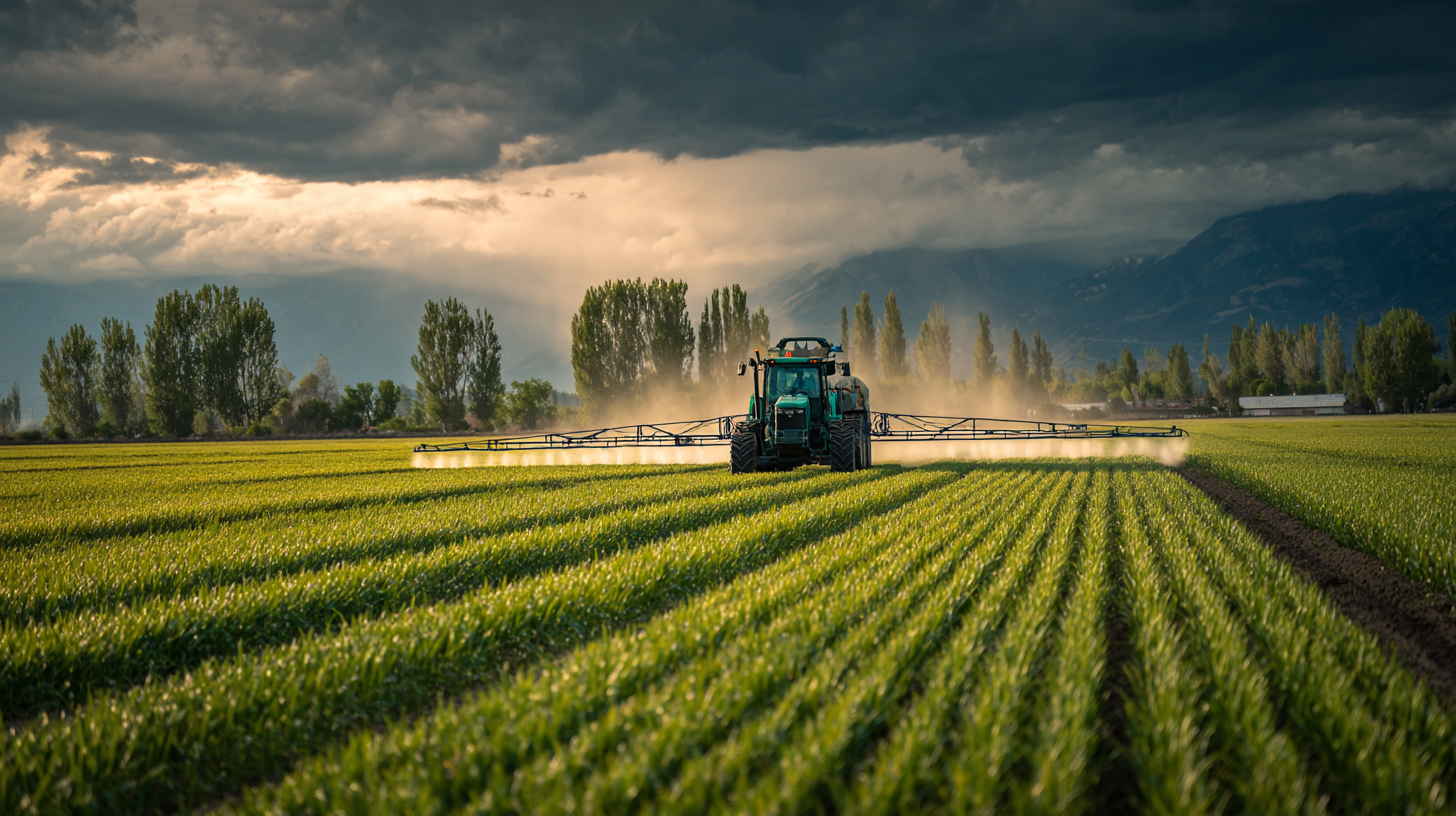
Moreover, incorporating precision agriculture techniques, such as soil testing and variable rate application, can further optimize nitrogen usage. A report from the American Society of Agronomy indicates that farms utilizing these technologies can reduce nitrogen input costs by up to 30% while maintaining or even increasing yields. By adjusting the fertilizer application based on specific field conditions and crop needs, farmers can enhance soil health and minimize nitrogen losses to the environment, achieving a sustainable balance between productivity and ecological responsibility.
Impact of Nitrogen Fertilizers on Soil Health and Sustainability Practices
The use of nitrogen fertilizers plays a crucial role in boosting crop yields while simultaneously influencing soil health and sustainability practices. According to the Food and Agriculture Organization (FAO), nitrogen is a vital nutrient that contributes to approximately 50% of the world’s food production. However, excessive use of synthetic nitrogen fertilizers can lead to soil degradation, reduced biodiversity, and water contamination through runoff. Research indicates that integrating nitrogen fertilizers with organic amendments can enhance soil structure, increase microbial activity, and improve nutrient retention, ultimately promoting more sustainable farming practices.
Recent industry reports highlight that adopting precision agriculture techniques can optimize nitrogen application, reducing the overall quantity needed while maintaining crop performance. A study by the American Society of Agronomy suggests that targeted nitrogen application can decrease nitrogen use by up to 30%, leading to less environmental impact. By balancing nitrogen fertilizer use with sustainable farming practices, such as crop rotation and cover cropping, farmers can improve soil health, enhance biodiversity, and achieve long-term agricultural sustainability, thereby meeting the increasing global food demand without compromising environmental integrity.