Exploring the Hidden Benefits of Magnesium Nitrate Powder in Everyday Gardening
Magnesium Nitrate Powder has gained increasing attention in the gardening community for its remarkable benefits in enhancing plant growth and health. According to a report by the International Plant Nutrition Institute (2019), magnesium is a crucial macronutrient that not only aids in chlorophyll production but also plays a vital role in enzyme activation, influencing overall plant metabolism.
Furthermore, the 2021 Fertilizer Institute report highlights that the inclusion of magnesium in fertilizers can significantly improve crop yield and quality, with applications in both ornamental and agricultural gardening.
As more gardeners look for efficient ways to optimize their plant care routines, understanding the hidden benefits of Magnesium Nitrate Powder can lead to thriving gardens and improved sustainability practices. This article aims to guide you on effectively utilizing this powerful compound to unlock its potential in your everyday gardening activities.
Understanding Magnesium Nitrate Powder: A Gardener's Secret Weapon
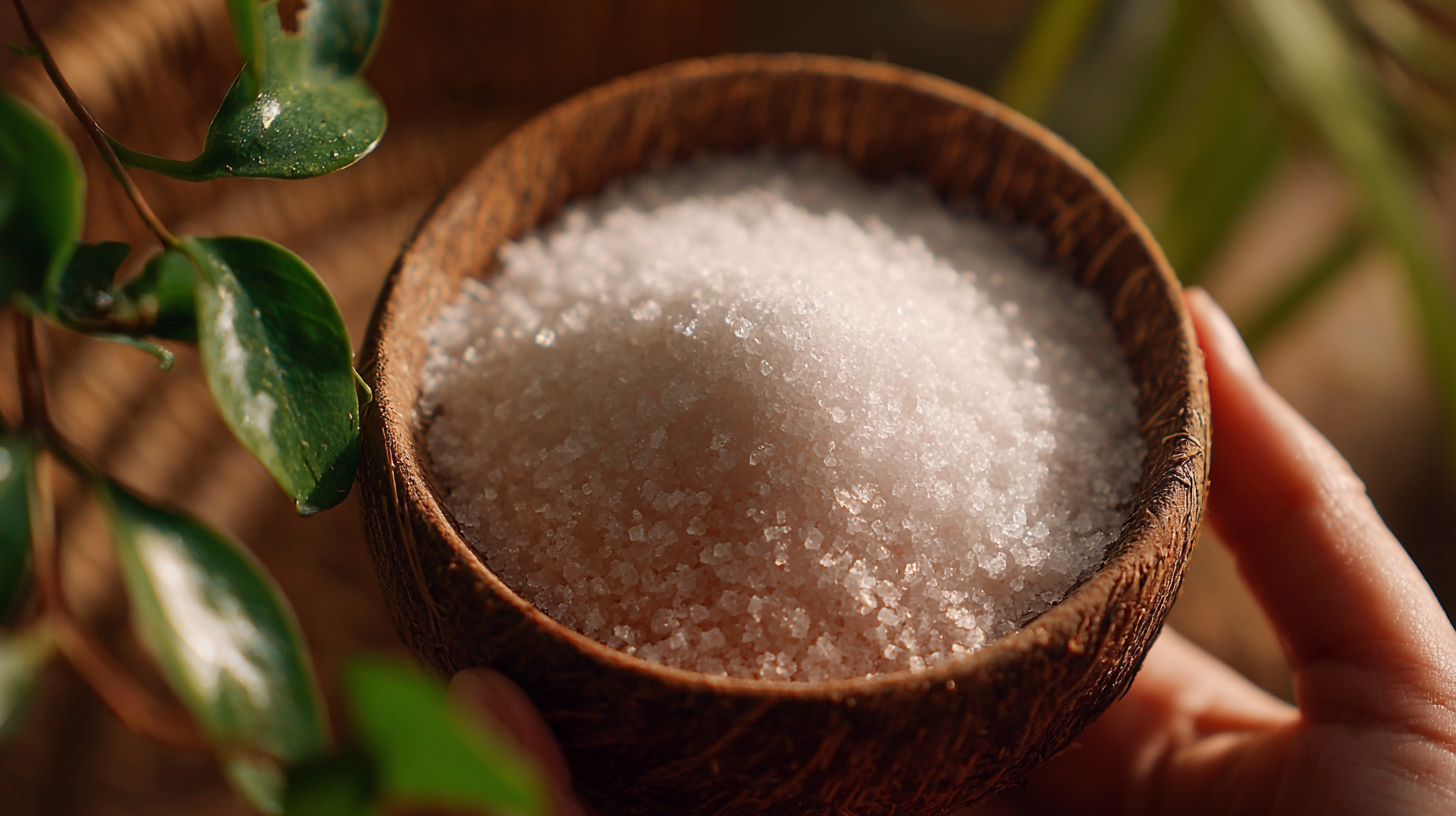 Magnesium nitrate powder is often overlooked in gardening, yet it serves as a powerful ally for plant growth and health. As a source of magnesium, it plays a crucial role in the photosynthesis process, enhancing the plant's ability to absorb and utilize sunlight effectively. Moreover, the nitrate component provides an essential source of nitrogen, promoting vigorous growth and lush foliage. Using magnesium nitrate can lead to stronger plants that resist pests and diseases, making it a must-have for dedicated gardeners.
Tips: When applying magnesium nitrate, it’s best to mix it with water to create a nutrient-rich solution. This method ensures that it’s easily absorbed by the roots, maximizing its benefits. Also, consider using it during the active growing season, particularly for flowering and fruit-bearing plants, to boost their productivity and overall vigor. Always follow the recommended dosage on the package to avoid over-fertilization, which can harm your plants.
Incorporating magnesium nitrate powder into your regular gardening routine can dramatically enhance soil health. For instance, amending your soil with this powder before planting can improve nutrient availability, leading to more robust root systems. Additionally, combining magnesium nitrate with other organic fertilizers can create a balanced nutrient profile, ensuring your plants thrive throughout the growing season.
Applying Magnesium Nitrate: The Optimal Methods for Your Garden
Magnesium nitrate is a powerful booster for your garden, effectively enhancing plant health and growth. When applying magnesium nitrate, timing and method are crucial to maximize its benefits. The ideal time to apply this nutrient is during the early morning or late afternoon when temperatures are cooler, preventing any potential scorching on delicate leaves. Mixing magnesium nitrate with water before application ensures even distribution and better absorption by the roots.
**Tips:** Consider using a foliar spray to deliver magnesium nitrate directly to the leaves. This method allows plants to absorb nutrients quickly and can be especially beneficial for fast-growing crops. Additionally, test your soil pH regularly; magnesium nitrate works best in slightly acidic to neutral soils, helping your plants thrive.
Remember to apply magnesium nitrate in moderation to avoid over-fertilization. A good rule of thumb is to incorporate it into your feeding schedule every 4-6 weeks during the growing season. This steadiness not only supports strong growth but also enhances flower and fruit production, leading to a bountiful harvest.
Exploring the Benefits of Magnesium Nitrate in Gardening
Boosting Plant Growth: How Magnesium Nitrate Enhances Fertilizer Efficiency
Magnesium nitrate powder is often overlooked in the realm of gardening, yet it plays a pivotal role in enhancing plant growth. This compound provides both magnesium and nitrogen, two essential nutrients that are crucial for plant health. Magnesium aids in chlorophyll production, which is vital for photosynthesis, while nitrogen contributes to leaf development and overall plant vigor. When combined with regular fertilizers, magnesium nitrate can significantly boost their efficiency, ensuring that plants receive a balanced supply of nutrients.
Incorporating magnesium nitrate into your gardening routine can lead to stronger, healthier plants with improved yields. The compound not only promotes rapid growth but also enhances flowering and fruiting processes. When applied in moderation, magnesium nitrate helps plants absorb other nutrients more effectively, enhancing their resilience against pests and diseases. As gardeners strive for lush and thriving gardens, magnesium nitrate proves to be a secret weapon that can elevate the performance of traditional fertilizers, fostering a thriving ecosystem in any garden setting.
Enhancing Soil Health: The Role of Magnesium Nitrate in Sustainable Gardening
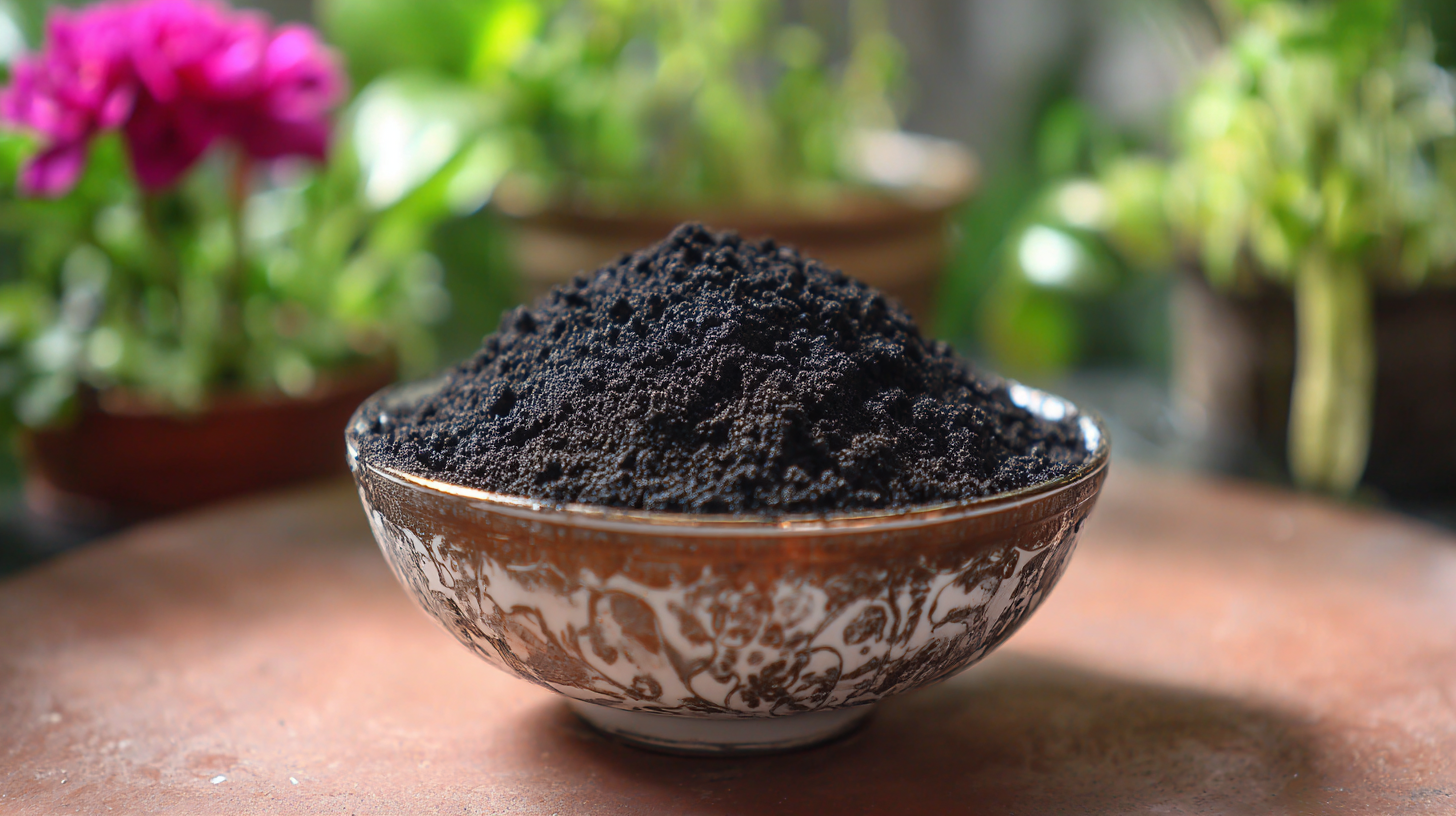 Magnesium nitrate powder is often overshadowed by its more popular counterparts in gardening, but it plays a crucial role in enhancing soil health, contributing to sustainable gardening practices. This compound is highly soluble, allowing for quick absorption by plants.
Magnesium is a vital nutrient that helps in the photosynthesis process and aids in the synthesis of chlorophyll. By incorporating magnesium nitrate into the soil, gardeners can ensure that their plants experience optimal growth and vitality, especially in magnesium-deficient soils.
Magnesium nitrate powder is often overshadowed by its more popular counterparts in gardening, but it plays a crucial role in enhancing soil health, contributing to sustainable gardening practices. This compound is highly soluble, allowing for quick absorption by plants.
Magnesium is a vital nutrient that helps in the photosynthesis process and aids in the synthesis of chlorophyll. By incorporating magnesium nitrate into the soil, gardeners can ensure that their plants experience optimal growth and vitality, especially in magnesium-deficient soils.
In addition to enhancing plant growth, magnesium nitrate positively affects the soil structure and nutrient availability. It encourages beneficial microbial activity, which is essential for nutrient cycling and soil fertility. A healthy microbial community enhances soil texture, aeration, and water retention, creating a robust environment for root development. Using magnesium nitrate can also reduce the need for chemical fertilizers, promoting a more sustainable approach to gardening. By integrating this powerful mineral into gardening practices, cultivators can develop more resilient ecosystems that thrive on balanced soil health.
Common Mistakes to Avoid When Using Magnesium Nitrate in Your Garden
When incorporating magnesium nitrate powder into your gardening routine, it’s essential to avoid some common pitfalls that can lead to suboptimal plant growth. One significant mistake is applying too much of the compound. According to a study published in the *Journal of Plant Nutrition*, excessive magnesium can lead to nutrient imbalances, especially affecting the uptake of potassium and calcium, which are crucial for plant health. It’s recommended to start with a conservative approach—typically, a concentration of 1-2 grams per liter of water for foliar feeding can enhance plant performance without risking nutrient toxicity.
Another frequent error is neglecting to test your soil prior to application. The *Soil Science Society of America* emphasizes the importance of soil testing, as magnesium levels can vary greatly depending on the geographical location and soil type. Applying magnesium nitrate without this knowledge may either exacerbate existing nutrient deficiencies or contribute to over-enrichment, potentially harming plant life. Routine testing can guide gardeners in tailoring their magnesium nitrate use to meet their garden’s specific requirements, ultimately leading to healthier and more productive plants.