Leave Your Message

What is Fertigation Fertilizer and How Does It Work?

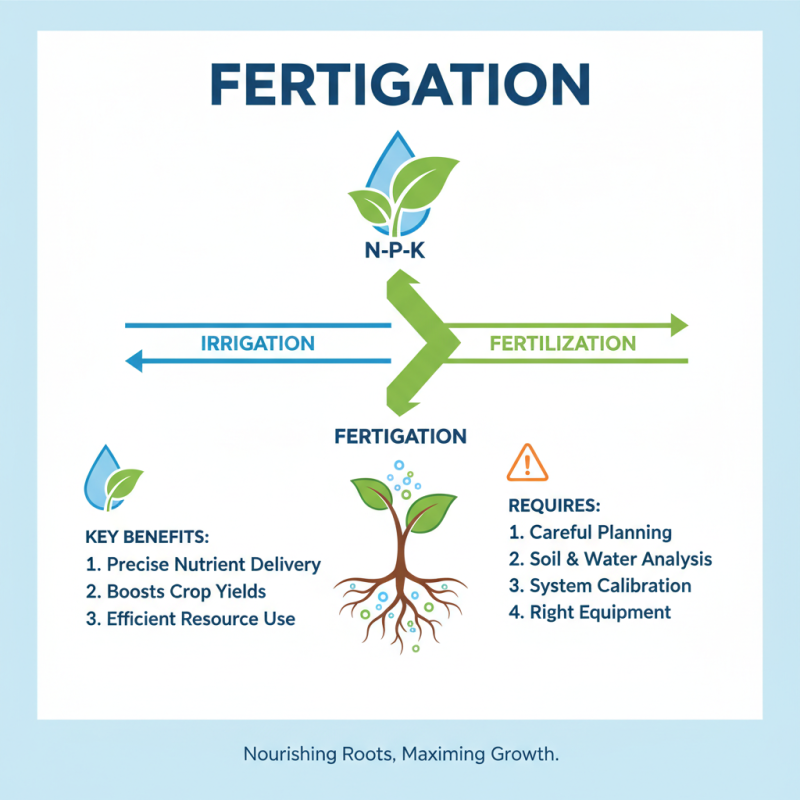
Fertigation Fertilizer is a modern agricultural technique that combines fertilization with irrigation. This method delivers nutrients directly to the plant roots through the irrigation system. By using fertigation, farmers can improve nutrient uptake and optimize growth.

The process of fertigation involves mixing fertilizers with water. This solution is then distributed evenly across the crop fields. As a result, plants receive essential nutrients at their roots. However, this method requires careful monitoring. Over-fertilization can lead to nutrient runoff, impacting the environment.

Farmers must also evaluate water quality and soil conditions regularly. Adjusting nutrient concentrations is crucial for maximum efficacy. While fertigation offers benefits, challenges exist. Balancing the right amount of water and fertilizers remains essential. Embracing this method requires consideration of both benefits and drawbacks.
What is Fertigation Fertilizer and How Does It Work?

What is Fertigation and Its Importance in Agriculture

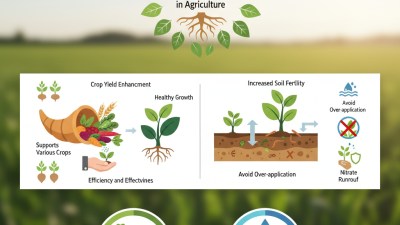
Fertigation is a technique that combines fertilization with irrigation. It delivers nutrients directly to plants through the water supply. This method is gaining traction in agriculture for its efficiency and effectiveness. According to a report by the Food and Agriculture Organization, fertigation can increase crop yields by up to 20%. This practice allows for precise nutrient management, which can lead to healthier plants and better harvests.

Moreover, the environmental impact of fertigation is significant. It minimizes nutrient runoff and reduces soil degradation. A study published in the Journal of Agricultural Science noted that fertigation can cut fertilizer usage by 30% while still maintaining optimal crop growth. However, improper application can lead to nutrient imbalances. Farmers must monitor soil and water quality regularly.

The importance of fertigation in sustainable agriculture cannot be overstated. With the global population expected to reach 9.7 billion by 2050, efficient food production is crucial. Yet, not all regions fully utilize this technique. Some farmers lack the knowledge or resources to implement fertigation systems effectively. There is still much to learn and improve in the field.

What is Fertigation Fertilizer and How Does It Work?

Dimension Description Benefits Considerations
Definition Fertigation is the application of fertilizers through an irrigation system. Improved nutrient uptake and efficiency. Requires proper system setup and management.
Types of Fertilizers Liquid fertilizers, soluble powders. Allows precise nutrient delivery. Compatibility with existing irrigation systems.
Impact on Crop Yield Enhances growth and productivity in various crops. Higher yields and better quality produce. Over-application can lead to nutrient runoff.
Environmental Considerations Potential for groundwater contamination. Reduced fertilizer usage leading to less waste. Monitoring and regulation of application rates are crucial.

The Composition and Types of Fertigation Fertilizers

Fertigation fertilizers are crucial for modern agriculture. Their composition includes water-soluble nutrients that are mixed with irrigation systems. This method enhances nutrient uptake efficiency. They often consist of macronutrients like nitrogen, phosphorus, and potassium, as well as micronutrients such as zinc and iron.

Different types of fertigation fertilizers exist. Soluble fertilizers are widely used due to their ease of application. Reports indicate that this method can increase crop yield by 20% to 30% compared to traditional fertilization. However, nutrient imbalance can occur. Farmers sometimes overapply certain nutrients, leading to soil degradation.

The industry faces challenges in monitoring nutrient levels. Technology can help, but the cost can be high. Not all farmers can access these advancements. This disparity raises concerns about sustainable practices. Achieving consistency in crop quality remains a challenge. Balancing efficiency and environmental safety is crucial for future success.

How Fertigation Systems Work in Plant Nutrition

Fertigation is a method where fertilizers are delivered through irrigation systems. This technique allows for precise nutrient application to plants. It combines water and fertilizer, ensuring that plants receive both elements simultaneously. A well-designed fertigation system can enhance plant growth and yield significantly.

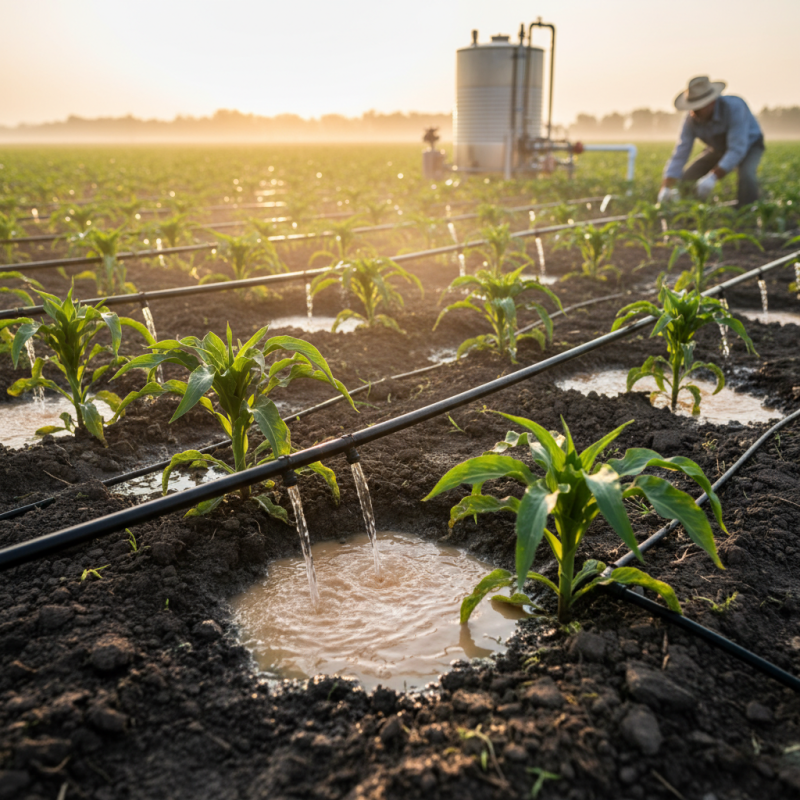
In a fertigation system, water mixes with nutrients in a tank or drip line. This mixture is then distributed directly to the plant roots. Such a targeted approach reduces waste and increases efficiency. However, not all plants respond positively. Some may show signs of nutrient burn or stress if not balanced correctly. Careful monitoring of plant response is crucial.

The effectiveness of fertigation relies on proper scheduling and dosing. Overuse can lead to nutrient imbalances in the soil. Ideally, the process should be tailored to different stages of plant growth. It is vital to adjust nutrient types and concentrations as plants mature. A little trial and error may be necessary to find the right mix, and that's part of the learning curve.

Fertigation Fertilizer Nutrient Analysis

This chart illustrates the nutrient levels commonly utilized in fertigation systems, focusing on key nutrients essential for plant growth. By monitoring these levels, farmers can optimize their fertigation strategies for better crop yields.

Advantages of Using Fertigation over Traditional Fertilization Methods

What is Fertigation Fertilizer and How Does It Work?

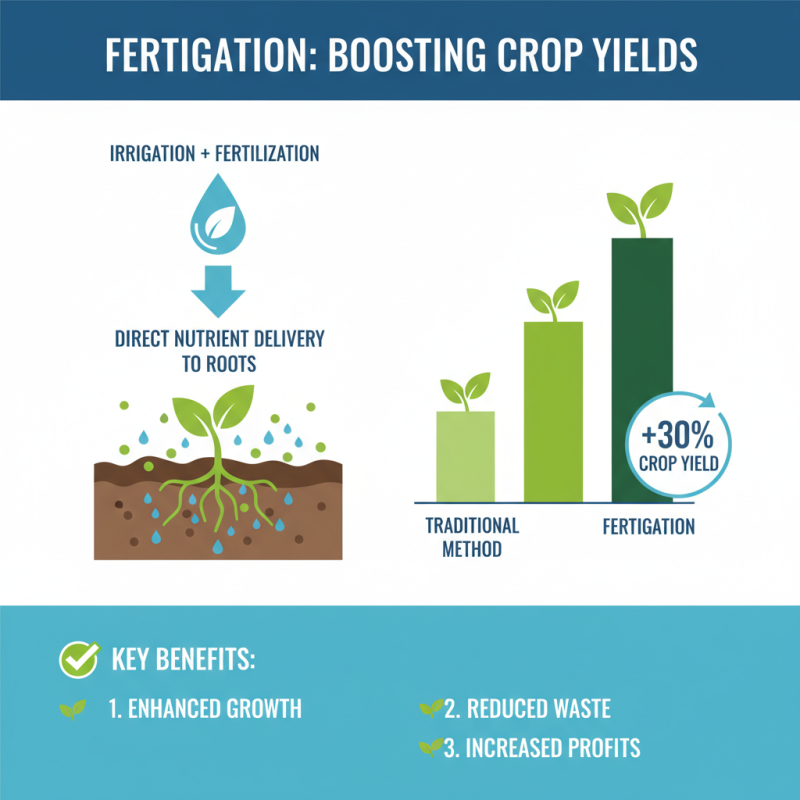
Fertigation is gaining popularity among farmers. It combines irrigation with fertilization. This method allows nutrients to be delivered directly to plant roots. Research shows that fertigation can enhance crop yield by up to 30%. This is a significant improvement compared to traditional methods.

One key advantage of fertigation is its efficiency. Traditional fertilization can lead to nutrient runoff. This not only wastes resources but also harms the environment. With fertigation, nutrients are absorbed more effectively. A study indicated that fertigation reduces nitrogen loss by nearly 50%. This is vital for sustainable agriculture.

However, there are challenges. Not all farmers have access to the needed technology. Cost can be a factor for small-scale operations. Some farmers may also struggle with setup and maintenance. It's essential to weigh the pros and cons. Awareness and education are crucial. The benefits are clear, and with proper management, these challenges can be overcome.

Best Practices for Implementing Fertigation in Farming

What is Fertigation Fertilizer and How Does It Work?

Fertigation is a method that combines fertilization and irrigation. It allows for the precise application of nutrients directly to the roots. This can boost crop yields significantly. But, implementing fertigation requires careful planning. It’s not as simple as connecting a hose.

Farmers should start by assessing soil health. Testing soil for nutrient levels is essential. This data helps in choosing the right fertilizers. Next, it’s crucial to calibrate the irrigation system properly. Uneven distribution can lead to over-fertilization in some areas. This could harm plants and waste resources.

Regular monitoring is vital after implementation. Farmers should watch plant health closely. Adjustments may be necessary based on real-time observations. Understanding the interaction between water and nutrients can improve effectiveness. Also, consider seasonal changes; they can greatly affect nutrient uptake. A reflective approach ensures that farmers continuously adapt their methods for better results.