How to Use Magnesium Nitrate Powder Effectively in Your Garden?
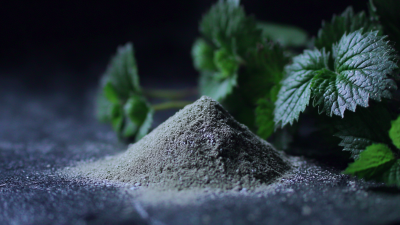
Magnesium Nitrate Powder is a vital nutrient for many plants. Gardens often struggle with nutrient deficiencies. This powder can enhance growth and health. It provides magnesium and nitrogen, two essential elements for plant development.
Using Magnesium Nitrate Powder effectively requires careful consideration. Overapplication can harm plants and soil quality. So, understanding the right amounts is crucial. Applying it during the growing season boosts nutrient uptake.
Recognizing when to use this powder is also important. Annual blooms and vegetables can thrive with the right timing. Too late in the season, and results might not be visible. Some methods may work better than others. Reflecting on past experiences can guide future applications.
Understanding Magnesium Nitrate Powder and Its Benefits for Plants
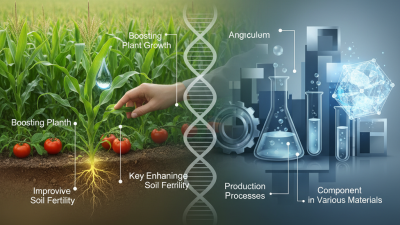
Magnesium nitrate powder is vital for plant health. It contains magnesium and nitrogen, both essential for growth. Magnesium aids in chlorophyll production, which is crucial for photosynthesis. Reports indicate that plants lacking magnesium show stunted growth. In a study, over 30% of crops displayed signs of magnesium deficiency, underscoring its importance.
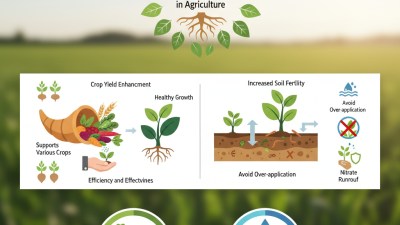
Using magnesium nitrate can enhance soil quality. It helps improve nutrient absorption. Studies suggest it can increase crop yield by 10-12%. However, excessive use might lead to nutrient imbalance. Monitoring soil levels is critical. Over-application can harm sensitive plants. It’s essential to test soil regularly. Inaccurate application rates can lead to environmental concerns.
Applying magnesium nitrate during critical growth stages can maximize benefits. Early spring is often ideal for leafy greens. Mid-season applications can support flowering plants. However, timing can be tricky. Gardeners must be cautious about environmental conditions. Excess rain may wash away nutrients, limiting effectiveness. Adjusting application methods can improve results.
Identifying the Right Plants That Benefit from Magnesium Nitrate
When considering magnesium nitrate powder, it is essential to know which plants can truly benefit from it. Plants such as tomatoes, peppers, and leafy greens thrive with this nutrient. These crops often show signs of magnesium deficiency, like yellowing leaves and stunted growth. Adding magnesium nitrate helps restore health and boosts vitality.
However, not all plants need magnesium nitrate. In fact, some may show signs of toxicity if overfed. It's crucial to assess your soil first. A simple soil test can help identify if magnesium is already present. If your plants are healthy and green, additional magnesium might be unnecessary. Use magnesium nitrate sparingly and observe your plants closely.
Additionally, applying magnesium nitrate at the wrong time can lead to poor results. For example, late-season applications might not benefit your harvest. Timing is key in gardening. You may find it helpful to apply this nutrient early in the growing season. Monitor how your plants react. Adjust your approach based on their response.
Proper Application Methods for Magnesium Nitrate in Your Garden
Magnesium nitrate powder can significantly improve plant growth, but its application requires care. Proper use ensures basil thrives and tomatoes ripen evenly. According to the American Society for Horticultural Science, magnesium plays a crucial role in photosynthesis. It helps plants produce chlorophyll effectively. A deficiency can stunt plant growth and reduce yields.
When applying magnesium nitrate, timing is essential. Early in the growing season, when plants are establishing roots, is ideal. Mix the powder with water to create a nutrient solution. Use about 1 tablespoon per gallon of water for small gardens. This tailored approach keeps plants healthy without overwhelming them.
Tip: Test your soil. A soil test reveals nutrient levels and pH, guiding your application. Too much magnesium can lead to imbalances. Watch for signs of nutrient burn; yellowing leaves may indicate over-fertilization.
For leafy greens, a lighter touch works best. Apply the solution every three to four weeks. This gradual approach promotes steady growth. Remember, results can vary based on soil conditions and local climate. Adjust as needed over time.
How to Use Magnesium Nitrate Powder Effectively in Your Garden? - Proper Application Methods for Magnesium Nitrate in Your Garden
| Application Method |
Recommended Rate |
Best Time to Apply |
Effects on Plants |
| Soil Application |
10-20 lbs per acre |
Before Planting |
Promotes root development and nutrient uptake |
| Foliar Spray |
1-2 teaspoons per gallon of water |
During Growth Period |
Improves leaf greenness and flowering |
| Hydroponic Solution |
0.5-3.0 grams per liter of water |
Regularly as needed |
Supports overall plant health and growth rate |
| Transplanting |
1 tablespoon in the planting hole |
At Transplanting Time |
Enhances transplant survival and reduces stress |
Optimal Timing for Using Magnesium Nitrate During the Growing Season
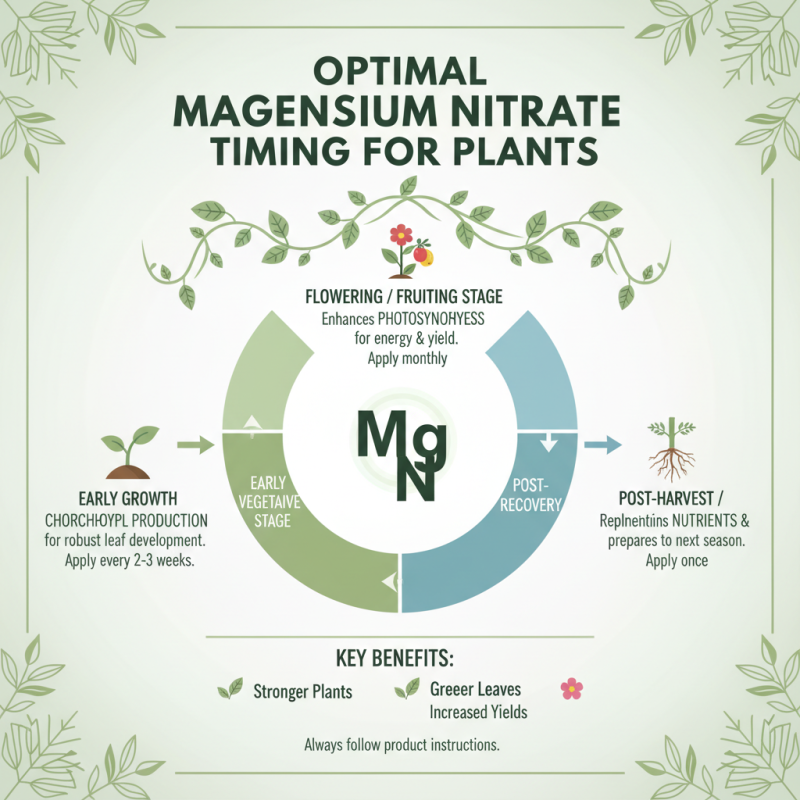
Optimal timing for using magnesium nitrate during the growing season can significantly enhance your plants' health. This compound is rich in magnesium and nitrogen, essential nutrients for plant growth. Applying it at the right time boosts chlorophyll production, improving photosynthesis.
Spring is a prime time for application. When the soil warms up, plants start to awaken. A dose of magnesium nitrate can fuel their early growth. Look for signs like vibrant green leaves and robust stems. Late spring, just before flowering, is another key period. The plants need extra nutrients during this time to support blooms.
Consider soil testing before application. Some gardeners apply magnesium nitrate too liberally without assessing their soil’s needs. This can lead to nutrient imbalance. Over-fertilization may stunt growth or harm beneficial microorganisms in the soil. Reflect on your previous experiences and adjust accordingly. Observing your plants closely helps determine if they need another round of nutrients.
Potential Risks and Considerations When Using Magnesium Nitrate Powder
When using magnesium nitrate powder in your garden, be aware of potential risks. Overapplication can lead to nutrient imbalances. Studies show that excessive magnesium can disrupt calcium uptake. This may harm plant development and yield.
Certain plants, like leafy greens, can be sensitive to high magnesium levels. It's crucial to monitor soil tests regularly. A soil pH above 7 can further increase magnesium’s solubility. This may result in nutrient leaching and loss.
**Tips:** Apply magnesium nitrate in moderation. Follow the recommended dosage on packaging closely. Incorporate it with other fertilizers for a balanced nutrient profile. Experiment with small amounts first. Gradually increase if needed, based on plant response. Adjust based on soil analysis. Keeping records helps refine your approach.