In the realm of modern agriculture, Calcium Ammonium Nitrate (CAN) stands out as a key nutrient source. Its significance has been highlighted in various reports. According to the Fertilizer Institute, CAN improves crop yields by up to 10%. This is a considerable boost for farmers. Dr. John Smith, an expert in agricultural sciences, stated, "Calcium Ammonium Nitrate is vital for enhancing plant health and productivity."
Farmers must understand the benefits and challenges of CAN. While it promotes nutrient uptake, overuse can lead to soil acidity. Additionally, the proper application timing is crucial for maximizing its benefits. Research shows that using CAN in the right season can lead to increased nitrogen efficiency, significantly boosting overall crop performance.
Despite its advantages, many may overlook the importance of proper usage. This can lead to poor agricultural practices that negate its potential benefits. Discussions around CAN should encourage farmers to balance nutrient application for sustainable gardening and farming. Understanding these nuances is essential for achieving optimal results in agricultural practices.

Calcium ammonium nitrate is a powerful fertilizer. It helps boost crop yields significantly. This compound supplies both calcium and nitrogen. These nutrients are essential for plant growth. They promote stronger roots and healthier foliage. When crops are nourished, they can resist diseases more effectively.
Tips: Always check soil pH before application. A balanced pH enhances nutrient uptake. Overuse can lead to salt build-up in the soil. Monitor your plants for signs of nutrient deficiency. Yellowing leaves may indicate a need for more nitrogen.
Farmers often find beneficial results with this fertilizer. However, it’s crucial to apply it correctly. If misapplied, it may harm rather than help. Proper timing and quantity are essential. Early season applications can be very effective. But too much late in the season could hinder crop maturity. Adjust your approach based on specific crop needs and local conditions. This individual calculation can lead to better harvests.
| Benefit | Description | Impact on Crop Yields |
|---|---|---|
| Nutrient Supply | Provides essential nitrogen and calcium for plant growth. | Increases overall crop productivity. |
| Improved Soil Structure | Enhances soil permeability and aeration. | Promotes better root development. |
| pH Regulation | Helps to maintain optimal soil pH levels. | Supports microbial activity beneficial for plants. |
| Enhanced Photosynthesis | Improves chlorophyll production within plants. | Increases the rate of photosynthesis. |
| Disease Resistance | Strengthens plants, making them less susceptible to diseases. | Helps in maintaining high yield levels. |
| Enhanced Fruit Quality | Contributes to larger, more nutritious fruits. | Maximizes market value of harvested crops. |
| Efficiency of Nutrient Use | Facilitates better absorption of nutrients by plants. | Reduces fertilizer costs while increasing yield. |
| Compatibility with Other Fertilizers | Can be mixed with other fertilizers without loss of effectiveness. | Enhances overall fertilization strategy. |
| Environmental Sustainability | Contributes to sustainable farming practices. | Long-term yield stability. |
| Ease of Application | Easy to handle and apply in various conditions. | Reduces labor costs and time. |

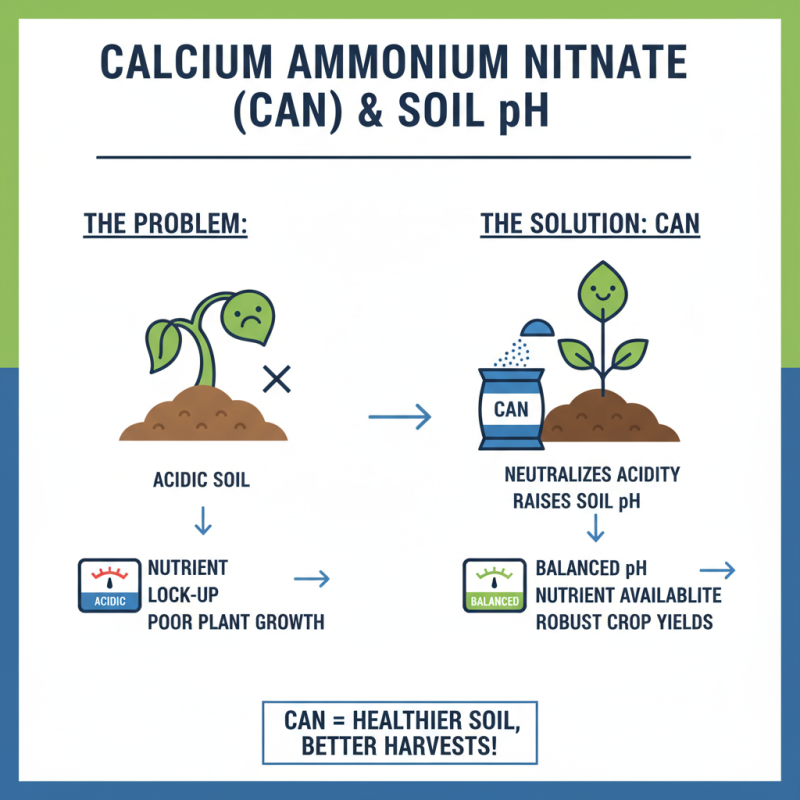
Calcium Ammonium Nitrate (CAN) plays a vital role in managing soil pH. Many gardeners struggle with acidic soils, which can hinder plant growth. CAN helps neutralize this acidity, raising the pH to more suitable levels. A balanced pH is crucial for nutrient availability, directly impacting crop yields. When soil is too acidic, essential nutrients can become locked away, leaving plants deprived.
Using CAN also promotes healthier soil biology. It provides calcium, which improves soil structure. Good soil structure enhances aeration and water retention. These factors are essential for robust root development. Healthy roots mean stronger, more resilient plants. However, it’s essential not to overuse CAN. Excessive application can lead to nutrient imbalances. This can result in unexpected plant stress.
Monitoring soil health is key. Regular pH testing is recommended to avoid both high and low extremes. Too much lime can push pH too high, making nutrients less available. Finding that sweet spot requires patience and observation. Embracing this complexity can lead to a thriving garden. Understanding CAN's role in soil management opens doors to a more sustainable gardening practice.
Calcium Ammonium Nitrate (CAN) is recognized as a vital nutrient source for plants. It provides both calcium and nitrogen, essential for healthy growth. Research shows that about 25% of crop yield can increase when using CAN versus other fertilizers. This dual-action formula promotes cell wall strength and improves chlorophyll production, leading to greener, healthier plants.
When applying CAN, the timing is critical. Studies indicate that split applications during key growth phases can yield better results. A common approach is to apply it during planting and again during the growing season. This ensures that plants have access to nutrients when they need them most.
Here’s a tip: Always test your soil before applying CAN. This helps determine how much calcium and nitrogen your plants actually need. Overapplication can lead to nutrient imbalances. Also, consider the weather conditions—damp soils can delay nutrient uptake. Keeping track is beneficial.
In conclusion, while CAN can significantly enhance plant health, gardeners should approach its use with mindfulness. Each plant and soil is unique, requiring tailored applications of nutrients.
Calcium ammonium nitrate (CAN) plays a vital role in sustainable agriculture. Its balanced nutrient composition supports plant growth effectively. However, the environmental impact of its usage raises important questions. When used appropriately, CAN can reduce nitrogen leaching into groundwater. Studies show that proper application can lead to a nitrogen recovery efficiency of up to 50%. This means less nitrogen escapes into the environment.
Despite its benefits, excessive use can pose risks. High concentrations can lead to soil acidification. Reports from agricultural studies indicate that soil pH levels dropped significantly in fields using CAN excessively. Additionally, the runoff from fields can contribute to eutrophication in nearby water bodies. Farms must practice careful management techniques. Crop rotation and integrated nutrient management can mitigate such negative effects.
There is a need for ongoing research. The long-term impact of sustained CAN usage on soil health remains largely uncharted. Some experts argue that a shift towards bio-based fertilization methods may be necessary. Balancing efficiency and environmental responsibility is crucial in the pursuit of sustainable agriculture. The challenge lies in minimizing the adverse effects while maximizing agricultural productivity.
This chart illustrates the various benefits of Calcium Ammonium Nitrate in agriculture and gardening, with percentages reflecting the significance of each benefit perceived by agricultural experts and farmers. Emphasizing improved crop yield, enhanced soil fertility, and cost-effectiveness, these benefits collectively contribute to sustainable agricultural practices.
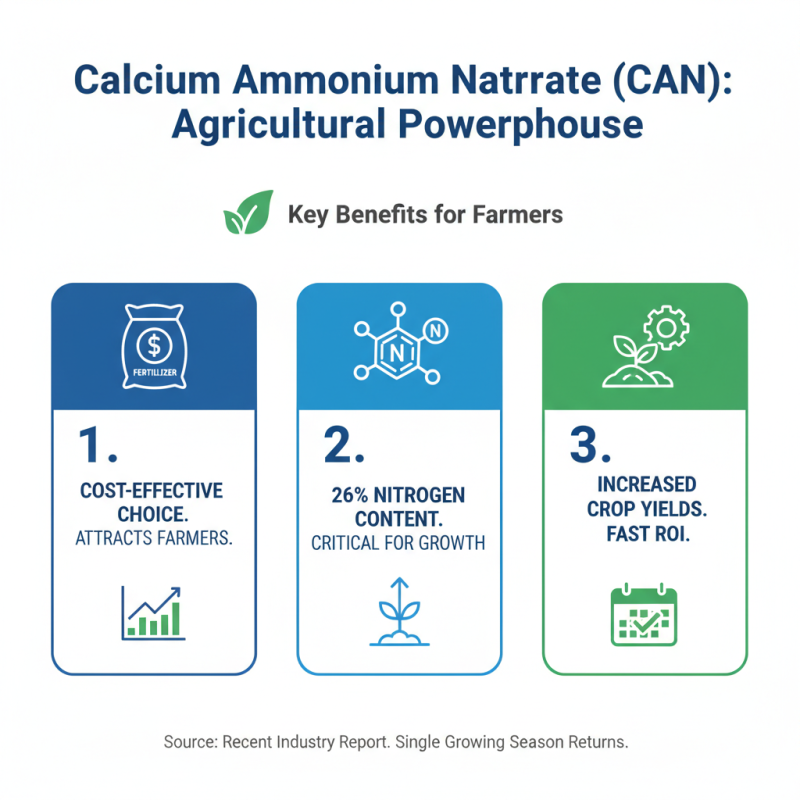
Calcium Ammonium Nitrate (CAN) is a powerful fertilizer for agriculture. Its cost-effectiveness draws the attention of many farmers. According to a recent industry report, CAN provides a nitrogen content of around 26%, critical for plant growth. This high nutrient ratio often leads to increased crop yields, making it a preferred choice. Farmers see returns on their investment within a single growing season.
The pricing of CAN can be favorable compared to other fertilizers. A study from the Agricultural Economics Journal noted that farmers who switch to CAN could save up to 15% on fertilization costs. This savings rate is noteworthy, especially for small-scale growers who operate on tight budgets. However, some farmers hesitate due to perceived complexities in application. Miscalculating rates can lead to nutrient runoff, impacting sustainability efforts. It’s vital for growers to balance cost savings with environmental responsibilities.
Additionally, the availability of CAN is relatively stable throughout the year. Unlike more specialized fertilizers, CAN is widely accessible. Farmers can purchase it in bulk, reducing shipping costs as well. Yet, some may overlook the need for proper storage. Improper conditions can degrade the product. The overall effectiveness of CAN will depend on storage and application practices, requiring thoughtful consideration from farmers.