2025 Top Trends in Concentrated Nitric Acid: Uses, Benefits, and Innovations
In recent years, the chemical industry has witnessed significant advancements and innovations, particularly regarding
Concentrated Nitric Acid. This versatile compound plays a crucial role across various sectors, including pharmaceuticals, agriculture, and materials science. As we look ahead to 2025, understanding the emerging trends in the use and application of concentrated nitric acid is essential for both industry professionals and researchers. The ongoing developments are not only shaped by traditional uses but are also influenced by the need for sustainable and efficient solutions to meet modern challenges.

The benefits of concentrated nitric acid extend beyond its well-known applications, as it continues to be a critical reagent in numerous chemical reactions and processes. Innovations in its production and utilization are paving the way for enhanced performance and reduced environmental impact. By exploring the latest trends surrounding concentrated nitric acid, we can gain insights into its evolving role in industrial applications, its health and safety implications, and the push towards more eco-friendly alternatives. These factors will be central to understanding how concentrated nitric acid can be leveraged effectively in the future, making it essential to stay informed about its potential transformations and innovations.
Emerging Applications of Concentrated Nitric Acid in Industry
The emerging applications of concentrated nitric acid in various industries are reshaping the landscape of chemical manufacturing. With a market estimated at approximately USD 30.39 billion in 2023, the concentrated nitric acid market is projected to reach nearly USD 35.9 billion by 2030. This growth is driven by increasing demand in sectors such as fertilizers, explosives, and chemical manufacturing, where nitric acid plays a crucial role in production processes.
Recent innovations include the advancements in nitrated nanocellulose, which demonstrate its potential in both structural applications and energetic uses. This material not only highlights the versatility of nitric acid but also encourages sustainable practices through the development of eco-friendly products. Additionally, an innovative electrochemical approach has emerged, capable of converting harmful nitric oxide emissions from industrial processes into usable resources, thereby supporting a nitrogen circular economy.
**Tip:** When exploring applications for concentrated nitric acid, consider the sustainability aspect. Investing in processes that minimize waste and promote circular economy principles can enhance your company’s competitiveness in a rapidly evolving market. Always stay informed about regulatory changes affecting nitric acid usage to ensure compliance and safety in production.
Advantages of Concentrated Nitric Acid Over Other Chemicals
Concentrated nitric acid, a critical reagent in various industrial applications, offers several advantages over other chemicals. Its strong oxidizing properties make it essential in the production of fertilizers, explosives, and even in the etching of metals. According to industry reports, the global concentrated nitric acid market is expected to reach USD 6 billion by 2025, driven by rising demands in agriculture and chemical manufacturing. The efficiency of concentrated nitric acid in facilitating reactions not only shortens process times but also enhances yield, effectively reducing operational costs for manufacturers.
Additionally, concentrated nitric acid has environmental benefits compared to alternative chemicals. Its ability to decompose organic matter makes it an effective agent in wastewater treatment processes. Recent innovations in industrial applications have enhanced its use, particularly in smart manufacturing setups, such as those observed in advanced chemical facilities.
These facilities now utilize real-time monitoring systems to optimize the use of concentrated nitric acid, ensuring minimal waste and maximizing output. Such practices signify a growing trend towards sustainability in the chemical sector, aligning with global initiatives to reduce the environmental impact of industrial operations.
Innovations in Production Techniques for Concentrated Nitric Acid
Innovations in production techniques for concentrated nitric acid are witnessing a significant evolution, driven by the need for efficiency and sustainability in chemical manufacturing. A recent report highlighted how advancements in electrochemical methods contribute to the nitrogen circular economy by converting harmful waste gases like nitric oxide into usable materials. This approach not only reduces emissions but also enhances resource recovery within the industry. As the global nitric acid market is expected to observe robust growth, projected at a CAGR of 4.5% through 2033, these innovations play a critical role in meeting increasing demands, particularly in fertilizers and explosives.
Moreover, the development of high-performance electrodes for seawater electrolysis showcases the potential for integrated production processes that include nitrogen fixation, which is essential for producing concentrated nitric acid. Research indicates that optimizing these techniques can yield hydrogen more efficiently, thus providing a clean energy source for various chemical processes. As companies continue to explore sustainable solutions, including the use of local raw materials for the production of calcium nitrate, it is clear that the future of concentrated nitric acid production is not only about increasing output but also about minimizing environmental impact and enhancing overall sustainability.
2025 Top Trends in Concentrated Nitric Acid: Uses, Benefits, and Innovations
Environmental and Safety Considerations in Nitric Acid Use
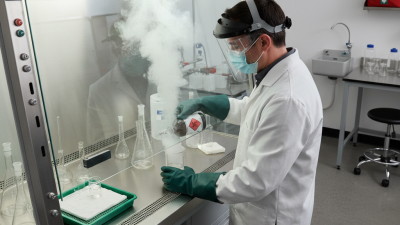
The use of concentrated nitric acid has become increasingly prevalent across various industries, but it is crucial to consider the environmental and safety implications associated with its use. Nitric acid is essential in manufacturing fertilizers, explosives, and in metal processing; however, its corrosive nature and contributions to air pollution underscore the need for stringent safety measures. Industries must adhere to regulations that minimize emissions and prevent spills, ensuring that the operation does not result in ecological harm.
**Tip**: Always handle concentrated nitric acid in well-ventilated areas and use personal protective equipment (PPE) such as gloves and goggles. This will help mitigate exposure and reduce the risk of accidents.
Furthermore, innovations in nitric acid production and application can play a significant role in fostering sustainability. Researchers are exploring greener production methods, including the use of alternative catalysts and energy-efficient processes. These advancements can not only reduce the environmental footprint of nitric acid but also enhance safety for workers in the field.
**Tip**: Conduct regular safety training and assessments for all personnel handling nitric acid to ensure awareness of proper handling protocols and emergency procedures. This proactive approach can greatly reduce risks associated with this hazardous material.
2025 Top Trends in Concentrated Nitric Acid: Uses, Benefits, and Innovations - Environmental and Safety Considerations in Nitric Acid Use
| Trend |
Uses |
Benefits |
Innovations |
Environmental Considerations |
Safety Considerations |
| Sustainable Production |
Fertilizers, Explosives |
Less energy consumption |
Green chemistry techniques |
Reduced CO2 emissions |
Safe handling procedures |
| Digital Monitoring |
Laboratory applications |
Enhanced accuracy |
IoT-based sensors |
Real-time data tracking |
Automated safety alerts |
| Waste Minimization |
Chemical synthesis |
Cost savings |
Enhanced recycling processes |
Lower landfill use |
Comprehensive risk assessments |
| Increased Regulation |
Industrial applications |
Improved compliance |
Advanced monitoring technologies |
Stricter emission standards |
Enhanced training programs |
Future Trends in Concentrated Nitric Acid Research and Development
As the demand for concentrated nitric acid continues to rise across various industries, research and development efforts are increasingly focused on improving its synthesis and application processes. According to a recent industry report by Research and Markets, the global nitric acid market is projected to reach $25 billion by 2025, driven by its critical role in fertilizers, explosives, and pharmaceuticals. Innovations such as more efficient catalytic processes and greener production methods are at the forefront of this evolution, aligning with global sustainability goals.
Tip: Consider investing in technologies that enhance nitric acid production efficiency to stay competitive in a growing market.
Emerging trends indicate a shift towards multifunctional nitric acid applications, particularly in the field of electronics where it is used in the purification of metals and as etchants. Studies emphasize the importance of niche applications, predicting that by 2025,
specialized formulations will account for over 30% of the market share. Researchers are focusing on optimizing these applications to maximize yield while minimizing environmental impacts.
Tip: Keep abreast of developments in specialized applications to explore new revenue streams for your business.